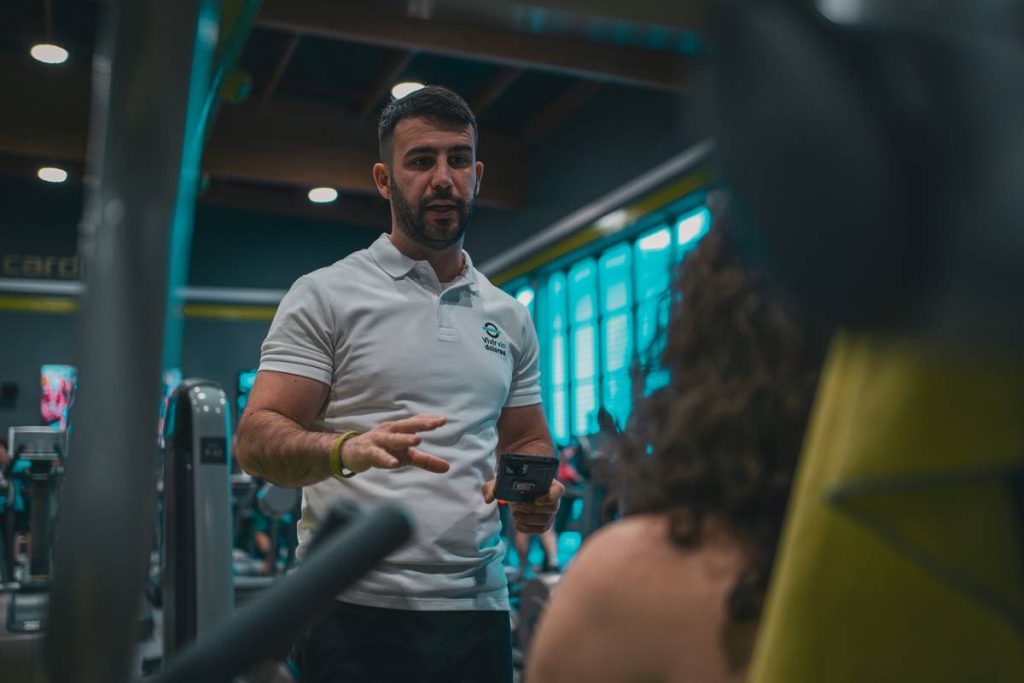
Ever walked into the gym at 6 a.m., crushed your workout like you did at 25… and then couldn’t lift your arms for three days? Yeah. That’s not “gaining wisdom”—that’s your body screaming, “Hey, we’re not 25 anymore!”
If you’re a man over 40 trying to stay fit, you’ve probably noticed recovery takes longer, joints get cranky, and that six-pack from college now plays hide-and-seek behind a stubborn layer of midsection padding. You’re not lazy—you’re just using outdated rules.
This guide cuts through the noise with science-backed, real-world-tested strategies specifically for men over 40 exercise. You’ll learn why traditional routines fail after 40, how to build strength without wrecking your joints, what actually burns belly fat (hint: it’s not endless cardio), and a simple weekly template that fits into a busy dad/executive/entrepreneur life.
Table of Contents
- Why Men Over 40 Exercise Differently
- Step-by-Step Guide to Safe, Effective Workouts After 40
- Top 5 Mistakes Men Over 40 Make in the Gym
- Real Results: Case Study of a 47-Year-Old Client
- FAQ: Men Over 40 Exercise Questions Answered
Key Takeaways
- After 40, testosterone drops ~1% per year—impacting muscle retention and fat metabolism (Harvard Health, 2022).
- Joint health, recovery, and hormone optimization matter more than lifting heavy or logging miles.
- A compound-focused, low-impact strength routine 3x/week + daily movement beats “all-or-nothing” extremes.
- Nutrition (especially protein timing) is non-negotiable for preserving lean mass.
- Consistency > intensity. One missed workout won’t ruin progress—but chronic soreness will.
Why Men Over 40 Exercise Differently
Let’s be brutally honest: the workout that got you shredded at 28 might sabotage you at 43. Not because you’re weaker—but because your physiology has shifted.
Starting around age 30, men lose 3–8% of muscle mass per decade—a process called sarcopenia (NIH, 2018). By 40, recovery slows, collagen production drops (hello, stiff knees), and insulin sensitivity declines, making fat storage—especially visceral belly fat—more likely.
I learned this the hard way. At 41, I tried to replicate my old CrossFit WODs after a six-month hiatus. Result? A torn rotator cuff, two weeks on anti-inflammatories, and zero progress. My mistake? Ignoring the why behind post-40 fitness: it’s not about punishment—it’s about preservation and function.
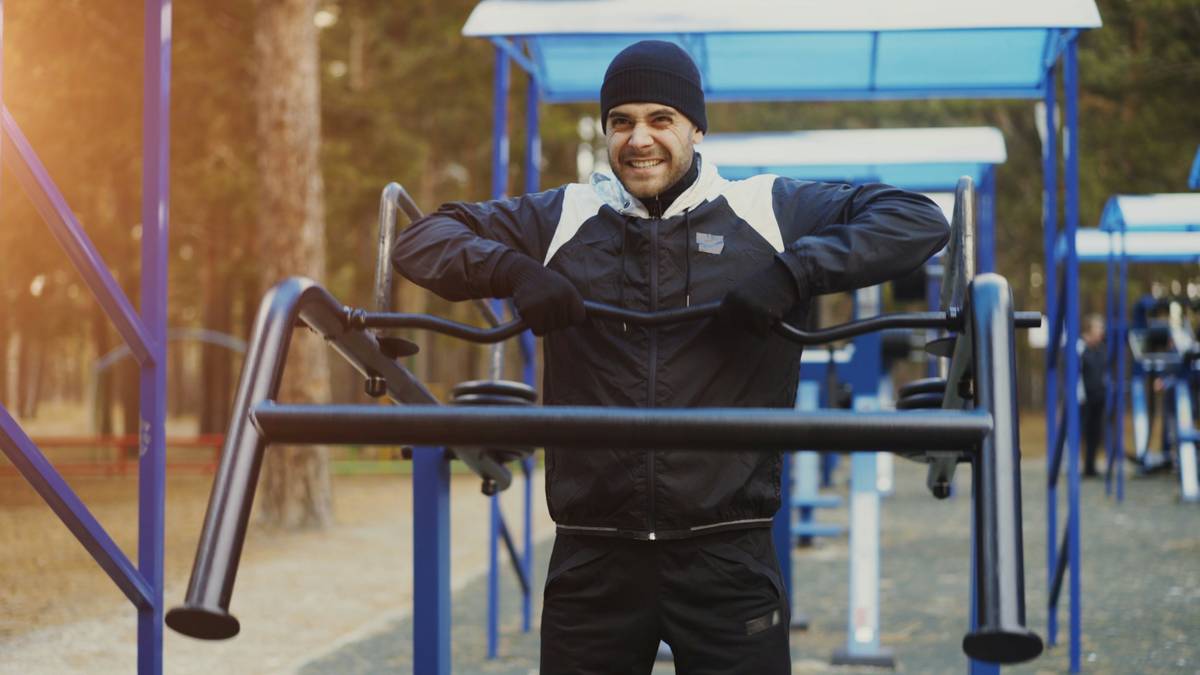
Optimist You: “Great! I’ll just lift lighter.”
Grumpy You: “Ugh, fine—but only if coffee’s involved and no one asks me to do burpees.”
Step-by-Step Guide to Safe, Effective Workouts After 40
How often should men over 40 work out?
Aim for **3 strength sessions + daily movement**. More isn’t better—recovery is your new superpower.
What types of exercise are best for men over 40?
- Strength Training (3x/week): Focus on compound lifts—deadlifts (or RDLs if your back’s finicky), goblet squats, push-ups, rows. Use moderate weight with controlled tempo (e.g., 3 sec down, 1 sec up).
- Low-Impact Cardio (2–3x/week): Brisk walking, cycling, or swimming for 20–30 mins. Keeps the heart healthy without hammering joints.
- Daily Movement: Walk 7K–10K steps. Non-negotiable. Sitting all day erases gym gains.
- Mobility Work (daily, 10 mins): Hip openers, thoracic spine rotations, shoulder CARs (controlled articular rotations). Prevents stiffness that leads to injury.
How to structure your weekly routine
- Monday: Full-body strength + 10-min mobility
- Tuesday: 30-min walk + foam rolling
- Wednesday: Rest or light yoga
- Thursday: Full-body strength + core stability
- Friday: Cycling or swim
- Saturday: Hike, yard work, or active family time
- Sunday: Rest + 10-min mobility flow
Pro tip: Train after breakfast or lunch—not fasted. Fasted workouts spike cortisol (stress hormone), which accelerates muscle breakdown in men over 40.
Top 5 Mistakes Men Over 40 Make in the Gym
What NOT to do (the “terrible tips” no one talks about)
- Skipping warm-ups: Your tendons aren’t as elastic. Cold muscles = injury city. Spend 8–10 mins on dynamic moves (leg swings, band pull-aparts, cat-cow).
- Chasing the pump with isolation moves: Bicep curls won’t save your metabolism. Prioritize big-muscle compounds—they boost testosterone naturally and burn more calories.
- Eating like you’re 25: Protein needs increase to 1.6–2.2g/kg body weight to fight sarcopenia (Journal of the International Society of Sports Nutrition, 2018).
- Ignoring sleep: Growth hormone (critical for repair) peaks during deep sleep. Less than 7 hours = sabotaged recovery.
- The “all-or-nothing” trap: Missed a workout? Don’t binge-exercise next session. Consistency over months beats heroic one-offs.
Rant Section: Why do fitness influencers still push “shred your gut in 30 days” nonsense to middle-aged guys? Your hormones, stress load, and knee cartilage don’t care about their sponsored pre-workout. Real fitness after 40 is sustainable, joint-friendly, and ego-free. Period.
Real Results: Case Study of a 47-Year-Old Client
Meet David (name changed), a 47-year-old software engineer with desk-job posture, occasional lower back pain, and 22 lbs of “dad weight.” His goal: feel stronger, move without stiffness, and drop fat without starving.
His old routine: Weekend warrior CrossFit + fasting + protein shakes.
New protocol (12 weeks):
- 3x/week full-body strength (kettlebell-focused due to shoulder history)
- Daily 8K steps tracked via watch
- Protein intake increased to 140g/day (from ~70g)
- Sleep prioritized (7.5 hrs/night, lights out by 10:30 p.m.)
Results:
- Lost 18 lbs of fat (kept all muscle, per DEXA scan)
- Deadlift increased from 135 lbs → 225 lbs
- Back pain reduced by 90%
- Said: “I finally feel like my body works *with* me, not against me.”
Notice what’s missing? No extreme diets. No 6-day splits. Just smart, consistent effort aligned with biology—not bro-science.
FAQ: Men Over 40 Exercise Questions Answered
Can men over 40 build muscle?
Yes—absolutely. But it requires adequate protein, progressive overload (gradually increasing weight/reps), and sleep. Muscle-building capacity remains strong well into your 50s and beyond with proper stimulus.
Is running bad for men over 40?
Not inherently—but high-impact running on pavement can aggravate knees or hips if you’re overweight or deconditioned. Opt for trails, treadmills with cushioning, or alternate with elliptical/cycling.
How much protein do men over 40 need?
1.6–2.2 grams per kilogram of body weight daily. For a 180-lb (82 kg) man, that’s 130–180g protein—spread evenly across 3–4 meals (JISSN, 2018).
Should I take testosterone boosters?
Most over-the-counter “T-boosters” are useless. If you suspect low T (fatigue, low libido, depression), get bloodwork first. Lifestyle fixes—sleep, strength training, stress management—often restore balance naturally.
What’s the best exercise for belly fat after 40?
No spot reduction exists. Belly fat loss comes from a calorie deficit + strength training + stress/sleep management. Core work strengthens muscles underneath—but won’t melt fat alone.
Conclusion
Men over 40 don’t need harder workouts—they need smarter ones. Your fitness journey now is about longevity, resilience, and feeling capable in your own body. Ditch the ego lifts, honor your recovery, move daily, and fuel like the athlete you still are—just with better judgment (and maybe reading glasses).
Start this week: pick one thing—add protein to breakfast, swap one run for a walk, or do 10 minutes of mobility before bed. Small, consistent steps beat dramatic overhauls every time.
Because at 40+, fitness isn’t about looking like your 20s self. It’s about being stronger than you were last year.
Like a Nokia brick phone—simple, durable, and built to last.
Haiku:
Knees creak, but I press.
Protein, rest, and walks each dawn—
Forty feels like spring.