If you’re past 40 and feel like your body’s sending warning flares every time you hit the gym—or worse, when you don’t—you’re not alone. Recovery slows, joints creak louder, and that “bounce back” you once took for granted? Gone. But here’s the truth: exercise for men over 40 isn’t just safe—it’s essential. Done right, it rebuilds energy, preserves muscle, and slashes disease risk. Done wrong? Hello, chronic pain and missed progress. This guide cuts through the noise with actionable, expert-backed methods designed specifically for your 40+ physiology.
Table of Contents
- Why Exercise Changes After 40 (And Why It Matters)
- A Step-by-Step Fitness Plan for Sustainable Results
- Top Recovery & Performance Tips You Can’t Skip
- Real Results: Case Studies from Men 40+
- Frequently Asked Questions
Key Takeaways
- Strength training 2–3x/week is non-negotiable for preserving muscle mass after 40.
- Recovery isn’t passive—it requires intentional strategies like sleep optimization and mobility work.
- Low-impact cardio (walking, swimming) often outperforms high-intensity routines for long-term adherence.
- Skipping warm-ups or ignoring joint pain leads to setbacks; listen to your body early.
- Consistency beats intensity—small, sustainable efforts yield compounding health dividends.
Why Exercise Changes After 40 (And Why It Matters)
After 40, testosterone levels decline about 1% per year, muscle mass drops faster without resistance training, and collagen production wanes—making tendons and ligaments less forgiving. According to the National Institute on Aging, adults lose 3–8% of muscle mass per decade after 30, accelerating after 60. The consequence? Reduced metabolism, higher injury risk, and slower healing.

I learned this the hard way. At 43, I jumped back into CrossFit cold turkey after a two-year hiatus. Day one: ego lifting. Day three: herniated disc. Six weeks later, I couldn’t tie my shoes without wincing. My mistake? Assuming my 30-year-old routine still applied. Your body isn’t broken—it’s evolving. Respect its new rules.
A Step-by-Step Fitness Plan for Sustainable Results
1. Prioritize Compound Movements
Focus on squats, deadlifts (or Romanian variations), push-ups, rows, and overhead presses. These engage multiple muscle groups efficiently, boosting testosterone response and functional strength—critical for daily life.
2. Train Smart, Not Hard
Aim for 2–3 strength sessions weekly with 48 hours between working the same muscles. Keep reps moderate (8–12) and avoid maxing out weekly. Progressive overload matters more than PRs.
3. Add Daily Movement
Sit less, walk more. The CDC recommends 150 minutes of moderate aerobic activity weekly—easily met with 30-minute brisk walks five days a week. Walking reduces inflammation and supports joint lubrication better than static stretching alone.
4. Never Skip the Deload
Every 4–6 weeks, reduce volume by 40–50% for one week. This “deload” phase prevents overuse injuries and resets your nervous system. Trust me—it’s when your gains solidify.
Top Recovery & Performance Tips You Can’t Skip
- Sleep 7–8 hours nightly. Muscle repair peaks during deep sleep. Chronic short sleep = elevated cortisol = muscle breakdown.
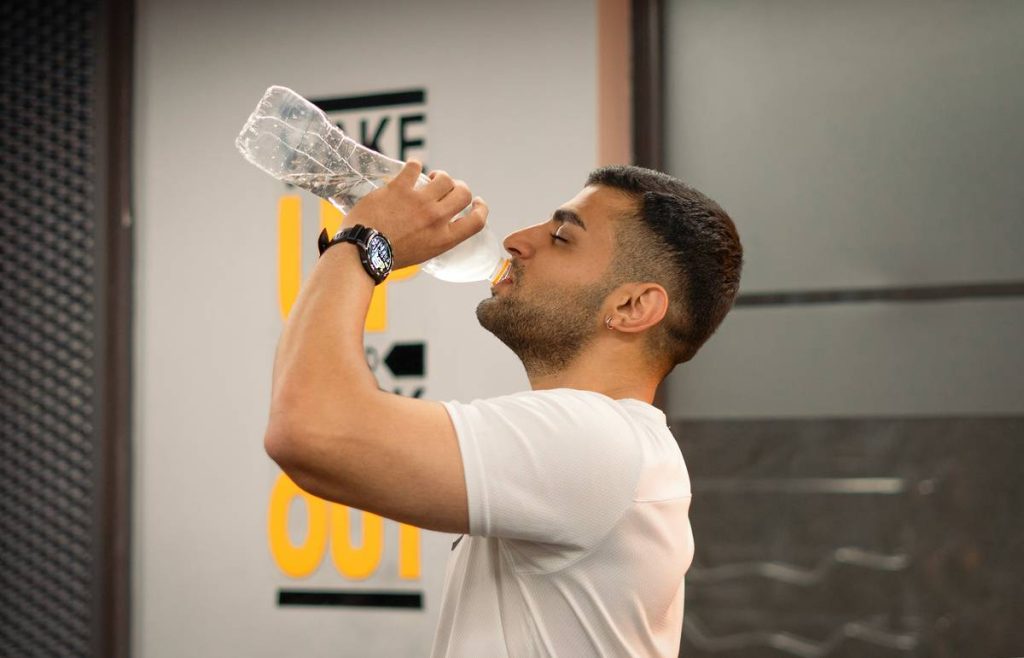
- Hydrate before you’re thirsty. Dehydration worsens joint stiffness. Aim for half your body weight (lbs) in ounces daily.
- Mobility > Flexibility. Dynamic moves like leg swings or cat-cow flows prep joints better than static holds pre-workout.
- Protein timing matters. Consume 20–30g within 45 minutes post-workout to maximize muscle synthesis.
- Avoid this terrible tip: “No pain, no gain.” Pain is your body screaming “stop.” Discomfort? Okay. Sharp or joint pain? Abort mission.
And please—stop believing those Instagram ads selling “40+ shred secrets” with magic pills. Real fitness is built in kitchens and living rooms, not supplement bottles. If it sounds too fast or flashy, it’s probably fake.
Real Results: Case Studies from Men 40+
Mark, 47, reversed prediabetes in six months with a simple routine: three 30-minute strength sessions weekly (bodyweight + dumbbells), daily 45-minute walks, and consistent sleep. His HbA1c dropped from 6.2% to 5.4%—clinically significant per American Diabetes Association standards.
Dave, 52, eliminated chronic lower-back pain by swapping barbell squats for goblet squats and adding 10 minutes of daily hip mobility drills. After eight weeks, his pain score (on a 1–10 scale) fell from 7 to 2. Both men prioritized consistency over heroics—a lesson echoed by Mayo Clinic research on sustainable lifestyle change.
Frequently Asked Questions
Is cardio necessary if I lift weights?
Yes. Aerobic exercise improves heart health, circulation, and recovery capacity. Even 2–3 brisk walks weekly support joint health and fat loss without overstressing aging bodies.
How often should I rest between workouts?
Rest 48 hours between training the same muscle group. Full-body routines should be spaced every other day; split routines allow more frequency but still require weekly deloads.
Can I build muscle after 45?
Absolutely. Research published in Medicine & Science in Sports & Exercise confirms men over 40 can gain significant lean mass with proper resistance training and protein intake.
What’s the biggest mistake men over 40 make?
Ignoring recovery. They chase intensity while skipping sleep, hydration, and mobility—then wonder why they’re injured or exhausted. Recovery isn’t lazy; it’s strategic.
Bottom line: exercise for men over 40 thrives on patience, precision, and self-awareness—not brute force. Start where you are, honor your body’s signals, and build habits that last decades, not just weeks. Ready to design a plan that fits your real life? Reach out to our team—we’ve helped hundreds of men reboot their fitness safely. And remember: You’re not getting older. You’re getting wiser—and stronger.
One haiku to carry with you:
Joints may creak with age,
But strength grows deeper, not loud.
Move with purpose now.
Learn more about our mission on the About Us page, and review how we protect your data in our Privacy Policy.