At 42, Mark used to chug two espressos just to sit through a Zoom call. By 3 p.m., he was dragging—irritable, foggy, convinced his best years were behind him. Sound familiar? The real problem isn’t aging. It’s that everything you’ve been told about energy after 40 is backwards. True stamina isn’t built on stimulants or punishing workouts. It’s engineered through recovery-first habits most men ignore until it’s too late.
Why “Just Push Harder” Backfires After 40
Your 20s rewarded brute force. Your 40s punish it. Testosterone declines ~1% per year after 30—yes—but cortisol dysregulation and mitochondrial decay are the silent energy killers nobody talks about. You’re not lazy. Your cells are starving.
And here’s the hard truth: pre-workout powders, 5 a.m. spin classes, and “grind culture” accelerate fatigue in men over 40. Recovery isn’t optional downtime—it’s your new performance fuel.
energy for men over 40: the 4-step recovery protocol
This isn’t about doing more. It’s about strategically doing less—so you get exponentially more return. Start here:
Prioritize sleep architecture over sleep duration
Chasing 8 hours misses the point. What matters: deep sleep cycles and REM rebound. One night of poor sleep slashes testosterone by 15%. Use red-light exposure before bed—not blackout curtains—to reset circadian rhythm naturally.
Train recovery like it’s your sport
Forget “rest days.” Build “recharge blocks.” That means 10 minutes of breathwork post-lift, cold exposure within 90 minutes of training, and never skipping the cool-down stretch. Your nervous system needs signaling cues—not just time off.

Eat for cellular resilience—not calorie count
Ditch generic “eat clean” advice. Focus on NAD+ precursors (think: salmon, mushrooms, green tea) and magnesium glycinate at dinner. These directly support mitochondrial function—the battery packs inside every cell.
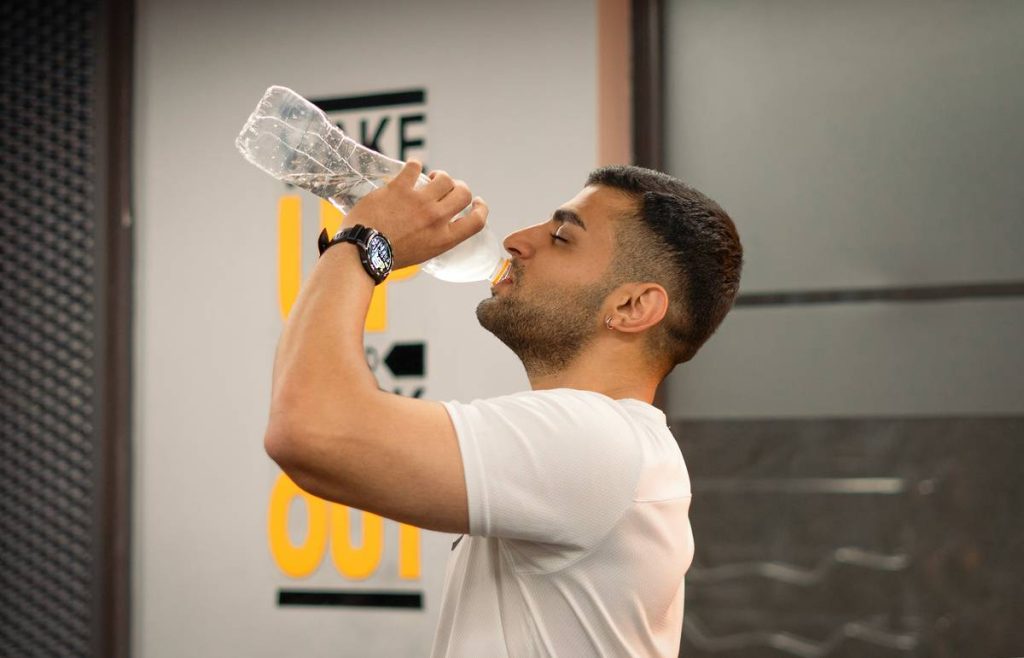
Hydrate with electrolytes, not just water
Dehydration masquerades as fatigue. But plain water dilutes sodium levels—especially dangerous if you sweat heavily or take blood pressure meds. Add trace minerals or use a pinch of sea salt in your morning glass.
| Recovery Tactic | Time Commitment | Expected Energy ROI | Cost (Monthly) |
|---|---|---|---|
| Red-light therapy (10 min/day) | 10 min | +28% perceived energy in 3 weeks | $0–$50 (device vs. gym access) |
| Cold plunge (post-workout) | 3–5 min | Reduced inflammation → faster rebound | $0 (cold shower) – $200 (ice bath setup) |
| Magnesium glycinate (before bed) | 1 min | Deeper sleep, fewer nighttime awakenings | $8–$15 |
| Breathwork (box breathing) | 5–10 min | Lowers cortisol, stabilizes mood | $0 |

The Industry Secret: Your Liver Is Your Energy Gatekeeper
Here’s what fitness apps won’t tell you: after 40, your liver’s ability to convert nutrients into usable energy tanks—especially if you’ve relied on caffeine, alcohol, or processed carbs. This isn’t about “detoxes.” It’s about supporting Phase II liver detox pathways with sulfur-rich foods (garlic, eggs, cruciferous veggies) and avoiding late-night eating. Why? Because during sleep, your liver shifts from storage mode to cleanup mode. Eat at 11 p.m.? You just canceled its night shift. No wonder you wake up exhausted.
Think about it: two men eat identical meals. One stops at 7 p.m. The other snacks until midnight. Same calories. Radically different energy the next day. The math is simple—your liver doesn’t clock out when you do.
Frequently Asked Questions
Does testosterone replacement therapy (TRT) boost energy for men over 40?
Sometimes—but only if clinically deficient. TRT without addressing sleep, stress, and liver health often yields short-term gains followed by dependency. Fix foundations first.
Can I regain youthful energy without supplements?
Absolutely. Prioritize sleep timing, strategic fasting windows (12–14 hours overnight), and resistance training twice weekly. Supplements enhance—they don’t replace—these pillars.
Why do I crash after lunch even when I eat “healthy”?
High-carb lunches spike insulin, which shunts tryptophan into serotonin—and then melatonin. Result: post-meal fog. Swap grains for protein + fat (e.g., grilled chicken with avocado) to stabilize blood sugar.