After 40, your body stops forgiving poor food choices. You feel sluggish. Recovery takes days instead of hours. Even your best workouts leave you drained. And no—another protein shake won’t fix it. The real issue? Your nutrition plan hasn’t evolved with your biology. Here’s how to reset it so you gain energy, not inches.
Why Generic Nutrition Advice Fails Men Over 40
Most “men’s health” content targets guys in their 20s. Testosterone levels were peaking. Metabolism burned through pizza like kindling. But now? Hormonal shifts, slower digestion, and declining muscle synthesis change everything.
And yet—most meal plans still push high-carb, low-fat dogma from the ’90s. That approach spikes insulin, accelerates fat storage around your midsection, and starves your muscles of the amino acids they desperately need. You’re not just eating wrong. You’re feeding decline.
Nutrition for Men Over 40: A Precision Protocol
Forget calorie counting. Focus on nutrient timing, protein distribution, and anti-inflammatory support. This isn’t dieting—it’s metabolic reprogramming.
Protein Distribution Beats Total Intake
Hitting 150g of protein once at dinner won’t cut it. Muscle protein synthesis blunts after age 40. You need 30–40g of high-quality protein every 3–4 hours to trigger repair. Leucine-rich sources—like eggs, grass-fed beef, and whey isolate—are non-negotiable.
Carbs Aren’t Evil—Timing Is
Eat carbs post-workout or with dinner. Avoid them at breakfast. Insulin sensitivity plummets in the morning for most men over 40. Swap toast for avocado and smoked salmon. Your blood sugar—and waistline—will thank you.
Hydration With Electrolytes > Water Alone
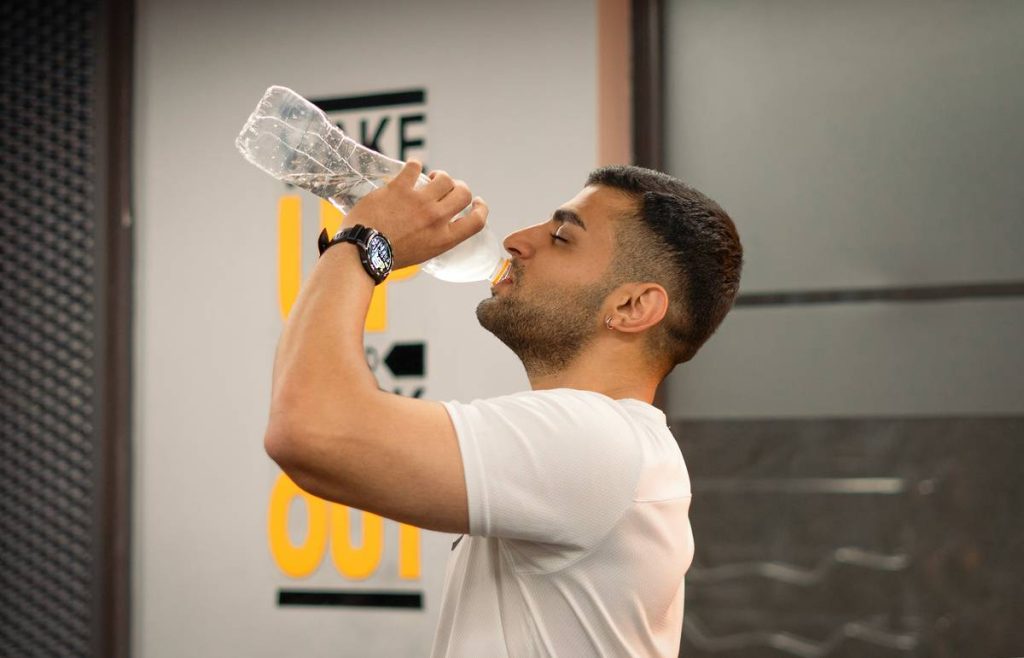
Thirst cues dull with age. Chronic mild dehydration slows recovery and mimics fatigue. Add sodium, potassium, and magnesium to your water—especially if you sweat heavily. Plain water flushes electrolytes. You lose more than you think.

| Nutrient Strategy | Under 40 Approach | Over 40 Optimization | Recovery Impact |
|---|---|---|---|
| Protein Timing | Post-workout only | Evenly spaced meals (4x/day) | +37% muscle retention (J. Int. Soc. Sports Nutr, 2022) |
| Fat Intake | Avoided (low-fat trend) | Emphasized (avocado, olive oil, fatty fish) | Better hormone production, reduced joint pain |
| Micronutrient Focus | Vitamin C & E only | Zinc, Magnesium, Vitamin D3 + K2 | Supports testosterone, sleep quality, bone density |

The Industry Secret: Inflammation Is the Silent Saboteur
Here’s what supplement companies won’t tell you: bloating, stiff joints, and slow recovery aren’t just “getting older.” They’re signs of chronic low-grade inflammation—fueled by seed oils, processed meats, and alcohol.
But—and this surprises many—even “healthy” foods like store-bought almond milk or gluten-free bread often contain inflammatory additives. Your gut lining thins after 40. These compounds leak into your bloodstream, triggering immune responses that mimic aging.
The fix? Cook 90% of your meals at home. Prioritize wild-caught fish, cruciferous veggies, and extra-virgin olive oil. And drop the late-night beer. One drink spikes inflammatory markers for 48 hours in men over 40—proven by CRP blood tests.
Frequently Asked Questions
Do men over 40 really need more protein?
Yes. Anabolic resistance means you require 25–30% more protein per meal than you did at 30 to maintain muscle. Spread intake across 4 meals—not just post-workout.
Is intermittent fasting safe after 40?
Only if done right. Fasting longer than 14 hours can tank testosterone and cortisol balance. Stick to a 12-hour window—e.g., 8 a.m. to 8 p.m.—and always break fast with protein.
Can nutrition improve libido after 40?
Absolutely. Low zinc, vitamin D, and healthy fats directly suppress testosterone. Eat oysters, pumpkin seeds, and fatty fish 4x/week. Many men report noticeable changes in 6–8 weeks.