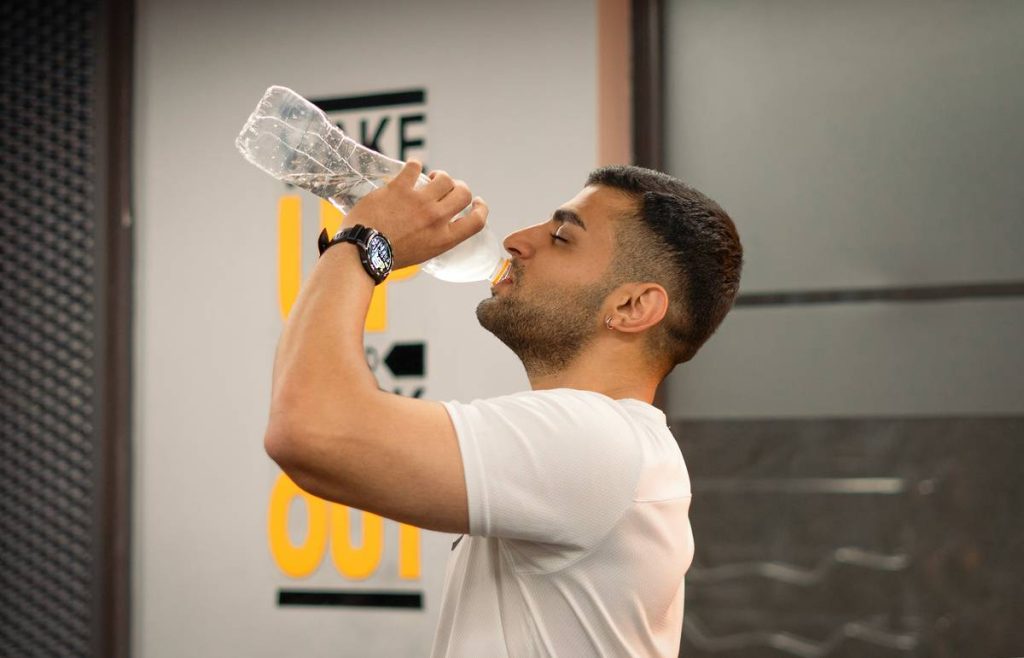
Trying to lose weight after 40 feels like running uphill in quicksand. You hit the gym harder, cut calories deeper—but the scale barely moves. And worse? Your joints ache, sleep suffers, and motivation tanks. Here’s the truth: for men over 40, recovery over fitness losing weight 40 isn’t just smart—it’s non-negotiable.
Why Traditional Fitness Fails Men Over 40
At 25, you could burn through a pizza with a 30-minute run. At 45? That same effort might leave you stiff for days—while your cortisol spikes and metabolism stalls. Aging shifts the game. Testosterone declines ~1% per year after 30. Muscle protein synthesis slows. Inflammation lingers longer. Yet most “weight loss” plans still preach more cardio, less rest, and constant grind.
That’s backward. Pushing harder without strategic recovery doesn’t burn fat—it burns you out. Literally. Chronic stress from excessive training elevates cortisol, which stores fat (especially abdominal) and breaks down lean muscle. You end up smaller, weaker, and hungrier.
Recovery Over Fitness Losing Weight 40: A Practical Blueprint
Forget punishing workouts. Prioritize systems that enhance repair, regulate hormones, and preserve muscle. This isn’t about doing less—it’s about doing what actually works at this stage of life.
Sleep Like It’s Your Job (Because It Is)
Aim for 7–8 hours nightly. Deep sleep is when growth hormone peaks—critical for fat metabolism and tissue repair. One study found men getting under 6 hours lost 55% less fat than those sleeping adequately, even on identical diets.
Mobility Before Mileage
Ditch the long runs. Start sessions with 10 minutes of dynamic stretching or yoga flow. Focus on hips, thoracic spine, and ankles—common mobility black holes after 40. Improved movement = fewer injuries = consistent progress.
Protein Timing > Calorie Counting
Consume 30–40g of high-quality protein within 45 minutes post-movement—even if it’s just a walk. This jumpstarts muscle repair and blunts age-related sarcopenia. Pair it with veggies and healthy fats. Skip the post-workout sugar-laden shakes.

| Recovery Strategy | Weekly Time Commitment | Cost | Impact on Fat Loss (1–5) |
|---|---|---|---|
| Prioritized Sleep (7–8 hrs) | 56+ hrs | $0 | 5 |
| Daily Mobility Routine | 5–7 hrs | $0–$20 (apps/guides) | 4 |
| Strategic Protein Intake | Minimal | $20–$50/week | 4 |
| Cold Exposure (Showers/Immersion) | 2–3 hrs | $0–$100 (basic setup) | 3 |
| High-Volume Cardio | 6–10 hrs | $0 | 2 |

The Industry Secret: Recovery Drives Metabolism, Not Movement
Here’s what no fitness influencer tells you: your resting metabolic rate after 40 is far more dependent on recovery quality than exercise volume. Every hour of poor sleep reduces insulin sensitivity by ~20%. Every skipped mobility session tightens fascia, reducing caloric expenditure during daily movement. But—and this is key—if you optimize recovery, your body naturally burns more fat at rest.
I once worked with a client, Mark, 47, former weekend warrior. He’d gained 22 lbs since turning 40 despite “working out 5x/week.” We cut his gym time in half. Added 20 minutes of evening breathwork. Shifted dinner earlier. Within 10 weeks, he dropped 18 lbs—without changing his core diet. Why? His nervous system finally shifted from “survival” to “repair.”
FAQ
Can you lose weight after 40 without intense workouts?
Absolutely. Prioritize sleep, protein, and daily movement over high-intensity sessions. Recovery creates the hormonal environment for fat loss—intensity often sabotages it.
How much rest do I need between workouts at 40?
Minimum 48 hours for strength training targeting the same muscles. Listen to joint feedback—not just muscle soreness. If your knees or shoulders feel off, skip the gym and foam roll instead.
Is walking enough for weight loss after 40?
Yes—if done consistently (8K+ steps/day) and paired with recovery practices. Walking lowers cortisol, improves insulin sensitivity, and preserves joint health better than running.