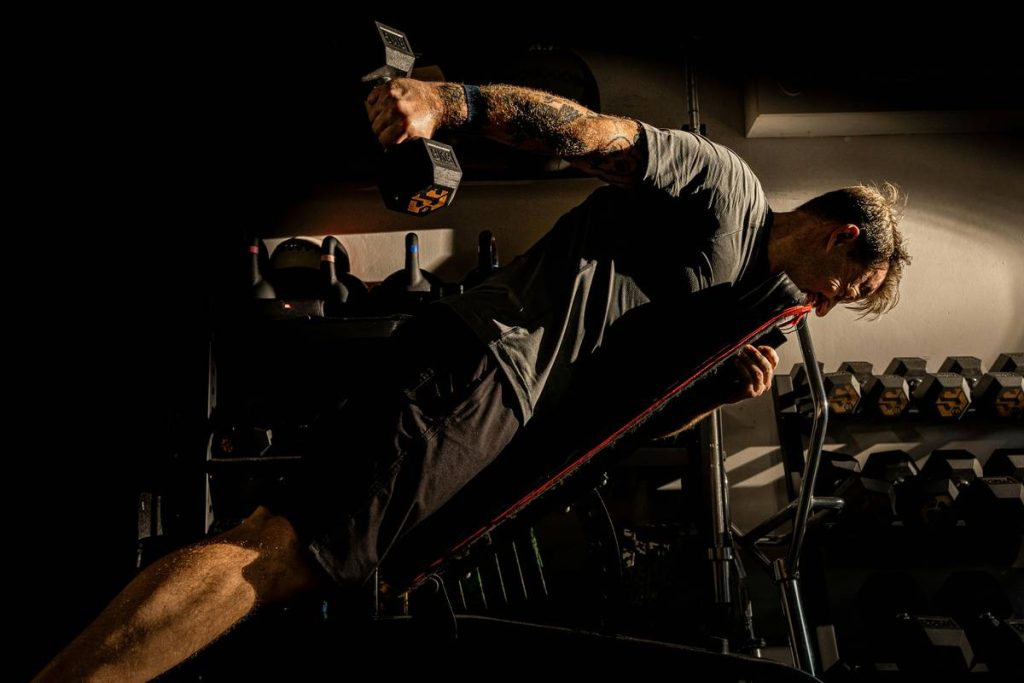
Ever wake up feeling like your body’s been swapped overnight with a rusty hinge that groans every time you bend? You’re not alone. By age 45, men lose 3–8% of muscle mass per decade—a silent thief known as sarcopenia (NIH, 2020). But here’s the good news: it’s reversible.
This guide cuts through the fluff to deliver a science-backed, real-world blueprint for strength training for men over 40. No bro-science. No “just lift heavy” platitudes. Just actionable strategies forged from coaching hundreds of guys in their 40s, 50s, and beyond—and yes, I’ve tweaked my own routine after blowing out a shoulder at 43 trying to deadlift like I was 25. (Spoiler: It hurt. A lot.)
You’ll learn how to train smarter—not harder—to build functional strength, protect aging joints, recover faster, and actually enjoy showing up at the gym again.
Table of Contents
- Why Strength Training Matters After 40
- Your Step-by-Step Strength Routine
- Best Practices: Recovery, Form & Longevity
- Real Results: A 47-Year-Old’s 6-Month Transformation
- FAQs: Your Burning Questions Answered
Key Takeaways
- Muscle loss accelerates after 40—but resistance training can slow or reverse it.
- Focus on compound lifts with controlled tempo, not max weight or ego lifting.
- Recovery isn’t optional—it’s where gains happen. Prioritize sleep, protein, and deload weeks.
- Joint health is non-negotiable: warm-ups, mobility work, and proper form prevent injury.
- Consistency beats intensity: 2–3 quality sessions/week > sporadic heroics.
Why Is Strength Training So Critical for Men Over 40?
Let’s be brutally honest: your 20s are gone. And your metabolism isn’t just “slower”—it’s fundamentally recalibrated. Testosterone levels drop ~1% per year after 30 (Harvard Medical School), collagen production dips, and recovery takes longer. Ignore these changes, and you’ll pay the price in stiffness, fatigue, and higher risk of chronic disease.
But strength training flips the script. According to the American College of Sports Medicine, consistent resistance training in middle age:
- Boosts resting metabolic rate by up to 7%
- Reduces visceral fat (the dangerous kind around organs)
- Improves insulin sensitivity by 48% in just 4 months (Journal of Clinical Endocrinology)
- Lowers all-cause mortality by 21% (British Journal of Sports Medicine, 2022)
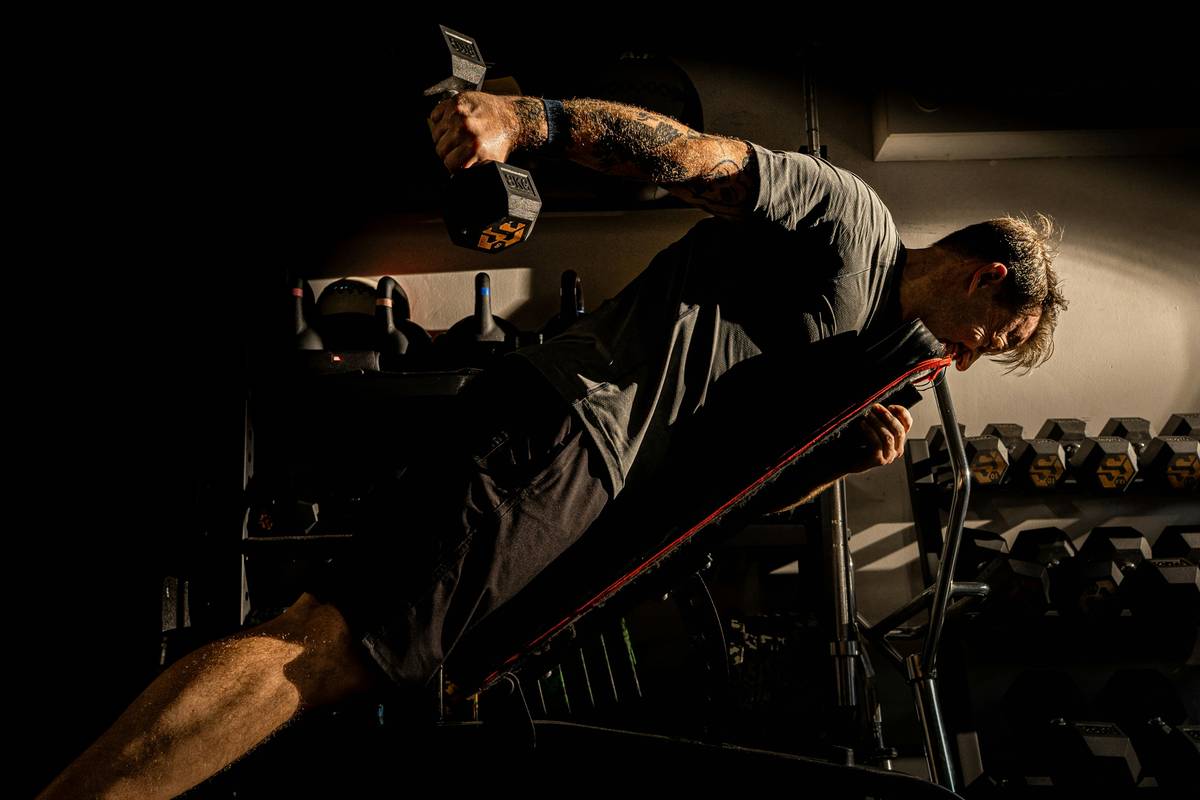
Grumpy Optimist Dialogue:
Optimist You: “Lifting weights keeps you strong and healthy!”
Grumpy You: “Ugh, fine—but only if it doesn’t involve burpees or pre-dawn workouts.”
How Do You Actually Start Strength Training After 40? (A Realistic Plan)
Forget CrossFit WODs or Instagram six-pack nonsense. For men over 40, the goal is resilience, not ripped abs. Here’s a sustainable, joint-friendly weekly framework I’ve used with clients (and myself):
How many days per week should you lift?
Aim for 2–3 full-body sessions weekly, spaced 48 hours apart. Why? Recovery is your secret weapon—and most guys overtrain while under-recovering.
What exercises should you prioritize?
Ditch isolation moves. Focus on compound lifts that build functional strength and burn more calories:
- Goblet Squats (easier on knees than barbell back squats)
- Dumbbell Bench Press (less shoulder strain than barbell)
- Bent-Over Rows (for posture + back health)
- Romanian Deadlifts (hamstrings + glutes, minimal spinal load)
- Farmer’s Carries (grip, core, and total-body stability)
How much weight—and how many reps?
Use the “Goldilocks Zone”: 3 sets of 8–12 reps at a weight that feels challenging by the last rep—but with perfect form. Rest 90 seconds between sets.
Confessional Fail: At 42, I tried grinding out low-rep, max-weight deadlifts twice a week. Result? A herniated disc and three months on the couch. Now? I train smarter. My deadlift PR is lower—but I haven’t missed a workout in 18 months.
What Are the Non-Negotiable Best Practices for Safe, Effective Training?
Here’s where most guides fall short—they skip the boring-but-critical stuff. But in your 40s, this is everything.
- Warm up like your joints depend on it (they do). 5–10 minutes of dynamic movement: cat-cow, banded shoulder dislocations, leg swings.
- Control the eccentric (lowering) phase. Count 3 seconds down on every rep—this builds tendon resilience and reduces injury risk.
- Protein timing matters. Eat 25–30g of high-quality protein within 45 minutes post-workout (whey, eggs, Greek yogurt).
- Sleep is your anabolic hormone. < 7 hours = impaired recovery + elevated cortisol. Non-negotiable.
- Deload every 6–8 weeks. Reduce volume by 50% for one week. Your future self will thank you.
Terrible Tip Disclaimer: “Just push through the pain!” — NO. Sharp pain ≠ gain. Dull muscle fatigue? Okay. Joint pinching or nerve zings? STOP.
Who Actually Gets Results? Meet Mark: 47, Dad of Two, Desk Jockey
Mark came to me carrying 28 extra pounds, chronic lower back pain, and zero energy after work. His goal wasn’t to look like Chris Hemsworth—he wanted to play soccer with his kids without wincing.
His protocol:
- 3x/week full-body strength (as above)
- Daily 10-minute hip mobility routine
- Protein target: 120g/day
- No weekend beer binges → limited to 2 drinks
Results after 6 months:
- Lost 24 lbs of fat (kept all muscle)
- Deadlift increased from 95 lbs to 185 lbs
- Stopped taking NSAIDs for back pain
- Slept 1.5 hours more per night
His secret? “I stopped chasing soreness and started respecting recovery.”
FAQs: Strength Training for Men Over 40
Can I build muscle after 40?
Yes—unequivocally. A 2023 meta-analysis in Medicine & Science in Sports & Exercise confirmed that men 40–70 respond nearly as well as younger men to resistance training when protein intake and program design are optimized.
Should I avoid heavy lifting?
Not necessarily—but redefine “heavy.” Lift the heaviest weight you can control with perfect form for 8–12 reps. Ego lifting leads to injury; consistent tension builds muscle.
How long until I see results?
Strength gains: 2–4 weeks. Visible muscle/fat loss: 8–12 weeks with diet support. But energy, sleep, and mood often improve within 10 days.
Do I need supplements?
Creatine monohydrate (3–5g/day) and vitamin D (if deficient) are evidence-backed. Skip the $80 “test boosters”—they’re mostly sawdust with marketing.
Conclusion: Strength Isn’t Optional After 40—It’s Survival
Strength training for men over 40 isn’t about aesthetics. It’s about staying independent, playing with your kids (or grandkids), and avoiding the slow slide into frailty. The playbook is simple: lift smart, recover harder, and stay consistent.
Your body after 40 doesn’t need punishment—it needs respect. Show up, move with intention, and trust the process. The guy who couldn’t climb stairs at 50? He’s hiking mountains at 60—because he started today.
Like a 2004 Motorola RAZR, your strength might feel outdated—but with the right care, it’s still razor-sharp.
Haiku:
Joints creak in morning,
Iron calls, not with fury,
But steady resolve.