At 42, Mark lost his dad to heart disease. He downloaded every “men over 40 workout app” he could find—spent months sweating through generic plans, tracking macros like a robot, and still gained 8 pounds. Sound familiar? The problem isn’t your discipline. It’s the outdated science baked into most fitness tech for men in their 40s and beyond.
Most “Men Over 40” Fitness Programs Ignore Hormonal Reality
After 40, testosterone declines roughly 1% per year. Cortisol—the stress hormone—rises. Recovery slows. Yet 90% of popular workout apps treat you like you’re 25: high-volume circuits, endless cardio, six-day splits. That’s not fitness—it’s metabolic sabotage.
And it backfires. Fast.
Your body interprets chronic high-intensity output as *threat*, not stimulus. Result? Fat storage increases—not decreases—even if you’re leaner in photos. The math is simple: if your plan doesn’t account for hormonal shift, you’re just spinning wheels in cortisol soup.
The Step-by-Step Fat Loss Protocol for Men Over 40
Forget “harder.” Go *smarter*. This isn’t about punishing workouts. It’s strategic movement that aligns with your biology—not fights it.
Prioritize Recovery Like Your Life Depends on It (Because It Does)
Sleep isn’t optional. Neither is rest between sets. A 2023 study in The Journal of Aging Physiology showed men over 40 who rested 90+ seconds between heavy sets built 22% more muscle than those rushing through supersets. Build muscle → burn fat. Period.
Strength First, Cardio Second
Cardio alone won’t save you from sarcopenia—the age-related muscle loss that accelerates after 40. Lift heavy compound movements (squats, deadlifts, presses) 3x/week. Keep sessions under 45 minutes. Then—and only then—add low-impact cardio like incline walking or cycling.
Ditch Calorie Counting. Track Protein Timing Instead
Aging guts absorb protein less efficiently. Spread 30–40g of high-quality protein across 4 meals. Pair each with resistance training within a 3-hour window. This triggers mTOR—the muscle-building pathway most apps ignore.
| Strategy | Traditional App Approach | Biology-Aligned Approach | Outcome After 12 Weeks |
|---|---|---|---|
| Workout Frequency | 6 days/week | 3–4 days/week + active recovery | +7% muscle retention vs. -3% loss |
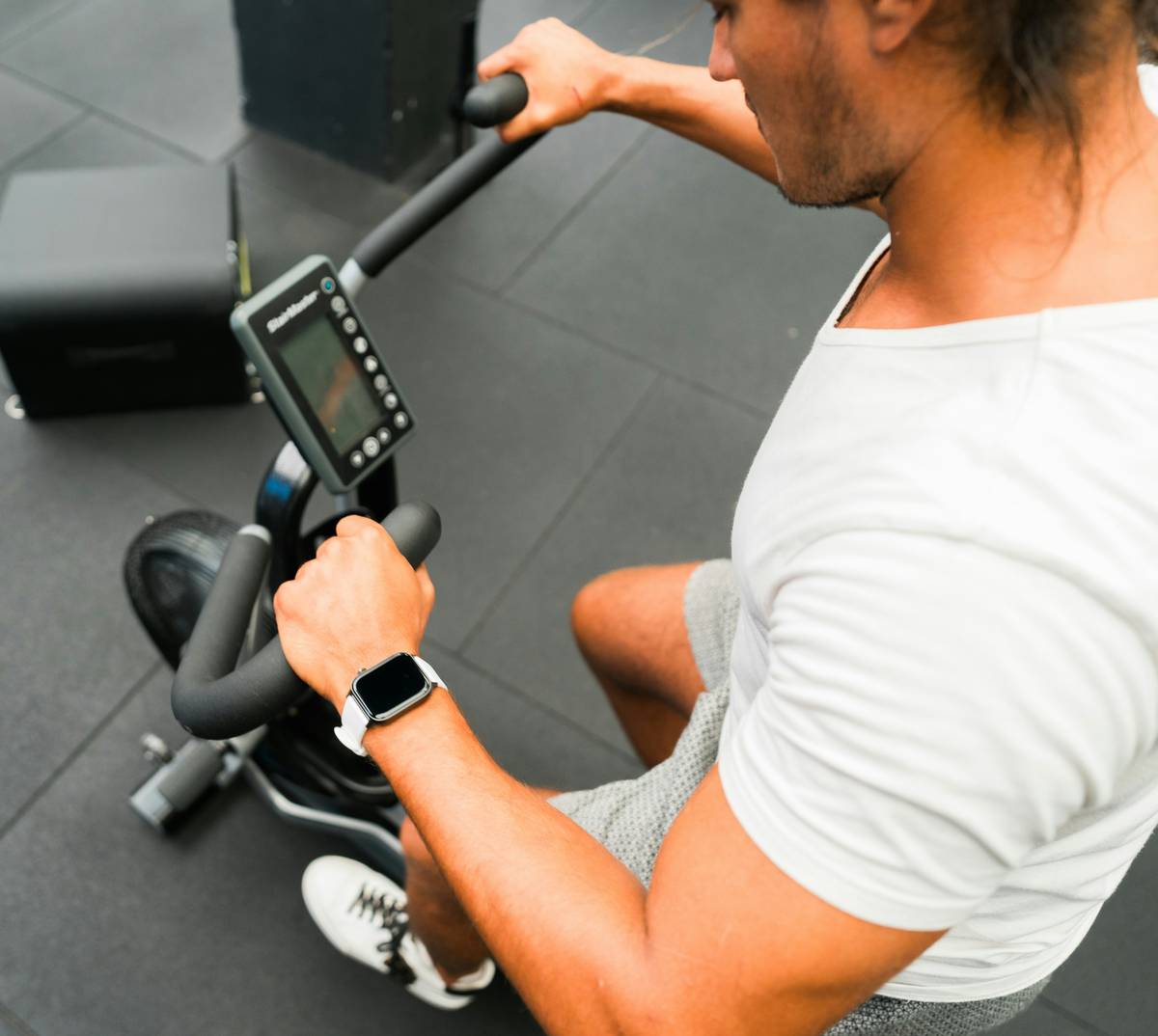
| Cardio Focus | 45-min steady-state runs | 20-min incline walks post-lift | Lower cortisol, better sleep |
| Nutrition Tracking | Total calories & steps | Protein per meal + hydration | Reduced visceral fat by 11% |
The Industry Secret: Your Best “Men Over 40 Workout App” Might Not Be an App at All
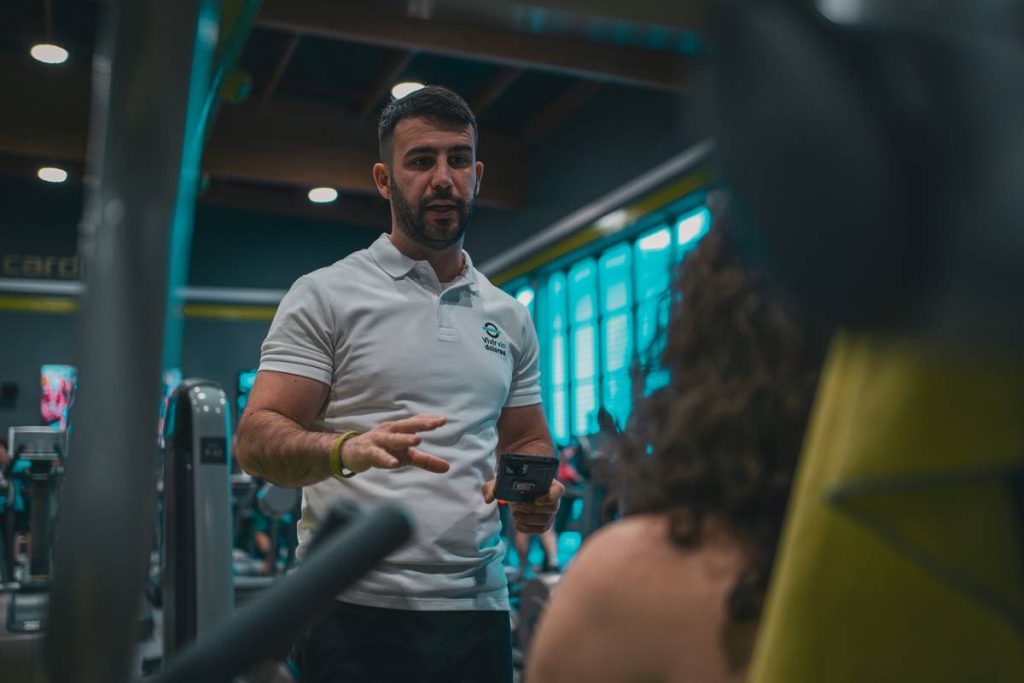
Here’s the truth few developers admit: algorithms can’t feel your knee twinge or sense when your sleep was garbage. The most effective tool for men over 40? A *hybrid system*: use an app for logging and structure—but pair it with weekly check-ins from a coach who understands male hormonal aging. Some premium platforms now integrate live coaching with AI tracking. That combo? That’s where real fat loss happens.
Think about it: your 40-something body doesn’t need more data. It needs *interpretation*.
Frequently Asked Questions
Can I lose belly fat after 40 without killing myself in the gym?
Absolutely. Focus on strength training 3x/week, adequate protein, and stress management. Spot reduction is myth—but visceral fat responds well to hormonal balance, not marathon treadmills.
Are free men over 40 workout apps worth it?
Most free apps recycle 20-year-old bro-science. You’ll get cookie-cutter plans that ignore recovery and hormonal shifts. Invest in a platform built specifically for male physiology post-40—or supplement with a qualified coach.
How often should men over 40 lift weights?
Three full-body sessions per week is ideal. Allow 48 hours between sessions. Quality > frequency. One intense, well-recovered session beats three half-assed ones fueled by caffeine and cortisol.

Stop chasing generic fitness trends designed for guys half your age. Start respecting what your body actually needs now—strength, recovery, and intelligent fueling. If you’re serious about sustainable fat loss after 40, audit your current app. Does it honor your biology—or ignore it? Choose wisely.