You’ve been grinding through workouts like your 20s self—but your body’s sending SOS signals. Joint pain. Lingering fatigue. Recovery that feels slower than dial-up internet. You’re not broken—you’re just misprioritizing. What if the real fitness edge after 40 isn’t pushing harder, but recovering smarter? The answer lies in flipping the script: recovery over fitness workout at home.
Why Most “Hardcore” Home Workouts Backfire After 40
Hormonal shifts don’t wait. Testosterone declines ~1% per year after 30. Cortisol spikes linger longer. Inflammation markers? Higher baseline. Yet most men keep chasing PRs with routines built for college athletes.
And it shows: achy knees after squats, shoulder stiffness that won’t quit, sleep disrupted by muscle soreness you haven’t earned—it’s not discipline failing you. It’s biology.
Here’s the reality: recovery isn’t passive. It’s the active foundation your gains are built on. Skip it, and you’re sanding down your own chassis.
Recovery Over Fitness Workout at Home: Your Step-by-Step Protocol
Forget “rest days.” Think “recovery days”—structured, intentional, non-negotiable. This isn’t about lounging. It’s strategic regeneration.
Morning Mobility Before Movement
Spend 8 minutes on dynamic flow—not static stretching. Cat-cow, leg swings, thoracic rotations. Lubricate joints before loading them. Cold muscles under tension = microtears waiting to happen.
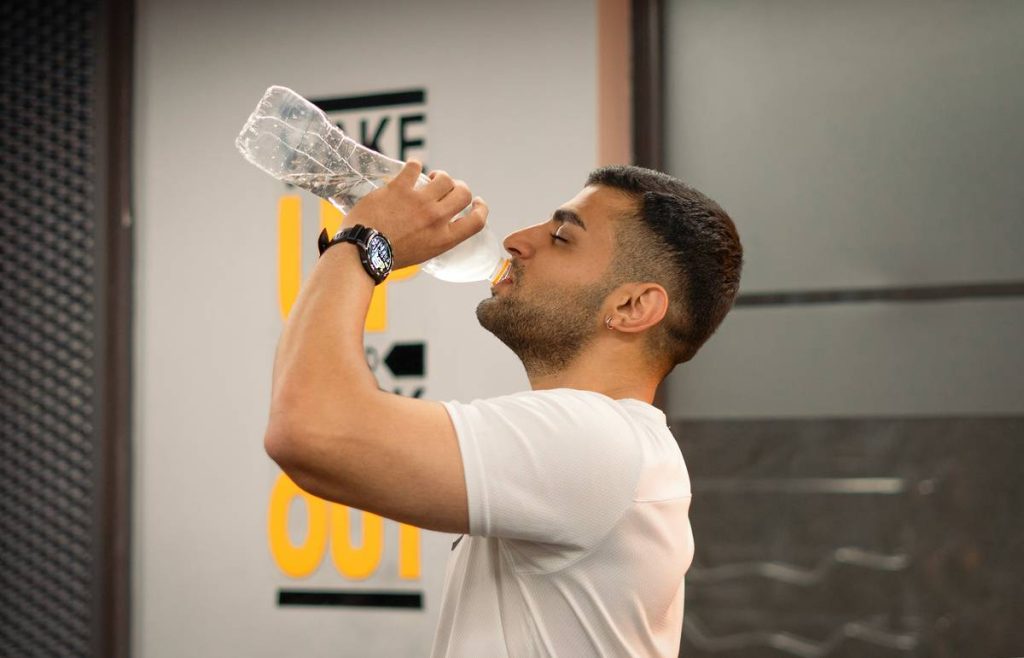
Hydration + Electrolytes—Not Just Water
Dehydration mimics fatigue. After 40, thirst cues dull. Add sodium, potassium, magnesium to your water. Notice sharper focus, fewer cramps, better sleep onset.
Controlled Eccentrics > Heavy Loads
Slow negatives (3-5 seconds down) build tendon resilience without taxing joints. A 20-pound dumbbell with perfect control beats ego-lifting 40 pounds with shaky form.
Nighttime Nervous System Reset
Vagal tone drops with age. Breathe in 4 sec, out 6 sec for 5 minutes before bed. Lowers heart rate variability spikes. Your body repairs deeper when your nervous system isn’t stuck in “alert.”

| Recovery Method | Time Required | Cost | Impact on Next-Day Performance |
|---|---|---|---|
| Cold shower (2-3 min) | 3 minutes | $0 | Moderate reduction in soreness; may blunt hypertrophy if used post-strength |
| Compression tights | 30+ minutes post-workout | $40-$80 | Mild improvement in perceived recovery; inconsistent data |
| Daily 8-min mobility routine | 8 minutes | $0 | High—improves joint range, reduces injury risk |
| Tart cherry juice (pre-bed) | 1 minute | $2/serving | Moderate decrease in inflammation; supports melatonin production |

The Industry Secret: Recovery IS the Workout Now
Most trainers won’t tell you this—they get paid to sell intensity. But here’s what elite longevity coaches know: after 40, your capacity to recover dictates your capacity to train. Period.
Think about it: two guys lift identical weights Monday. One spends Tuesday foam rolling, hydrating, sleeping 7.5 hours. The other pushes through soreness with another high-intensity session. Who’s stronger by Friday?
The math is simple. Consistency beats heroics. And consistency runs on recovery. Not willpower. Not supplements. Recovery.
Frequently Asked Questions
Can I still build muscle focusing on recovery over intensity?
Yes—provided you maintain mechanical tension through controlled movements. Muscle growth after 40 responds better to quality reps than volume or max loads.
How often should I do actual strength workouts vs. recovery days?
Aim for 2-3 strength sessions weekly, each followed by a dedicated recovery day. That could mean light walking, mobility, or complete rest—listen to joint feedback, not calendar rigidity.
Is “active recovery” necessary every day?
Not every day—but daily movement below your pain threshold keeps circulation optimal. Walking, gardening, or gentle yoga counts. Stagnation accelerates stiffness.