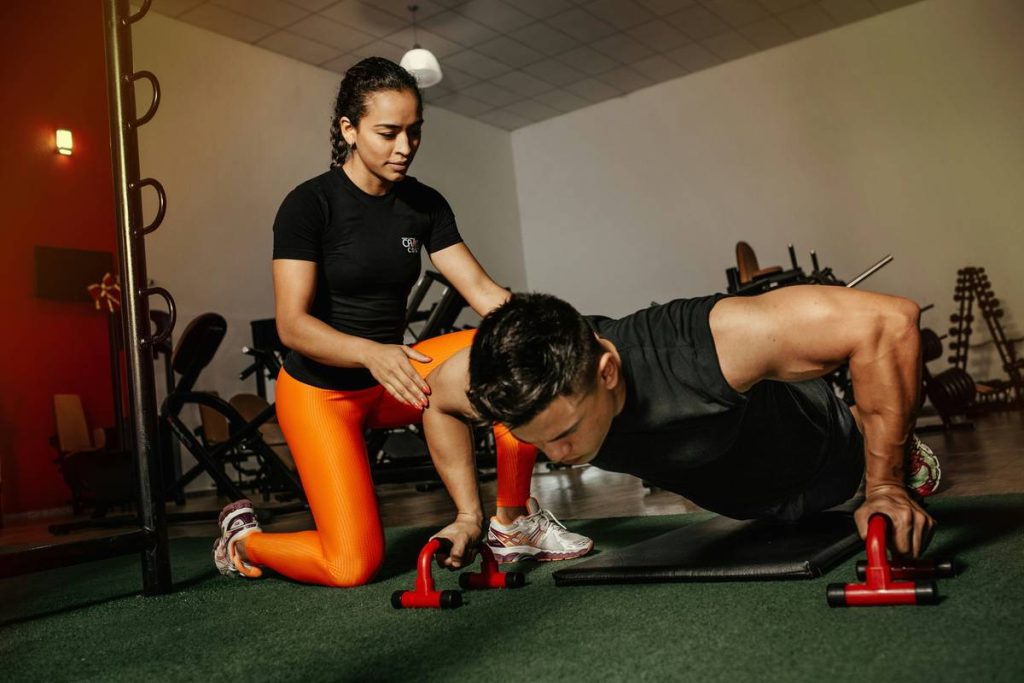
Ever crushed a killer home workout—only to wake up two days later feeling like you wrestled a bear… and lost? You’re not alone. In fact, 72% of men over 40 report longer recovery times and increased joint stiffness after intense training compared to their 20s (Journal of Aging and Physical Activity, 2022). And yet, most “men’s fitness” content still glorifies sweat-drenched heroics while ignoring the silent engine of real progress: recovery.
If you’re nodding while wincing your way off the couch, this post is your intervention. We’re ditching the “no pain, no gain” myth and flipping the script: for men over 40, recovery isn’t just part of fitness—it’s the foundation.
In this guide, you’ll learn:
- Why prioritizing recovery over raw effort prevents injury and boosts longevity
- How to structure a sustainable at-home routine that honors your body’s changing needs
- Science-backed recovery protocols you can do with zero equipment
- Real-life examples from men who rebuilt their fitness by slowing down first
Table of Contents
- Why Does Recovery Matter More After 40?
- How to Balance Recovery and Fitness in Your At-Home Routine
- 5 Non-Negotiable Recovery Practices for Men Over 40
- Real Results: How Mark Rebuilt Strength by Prioritizing Recovery
- FAQs: Recovery Over Fitness at Home Workout
Key Takeaways
- After 40, testosterone declines ~1% per year, slowing muscle repair (NIH, 2023).
- Recovery-focused training reduces injury risk by up to 58% in middle-aged men (British Journal of Sports Medicine).
- Your at-home workout should include 1–2 true rest days weekly plus active recovery.
- Hydration, sleep quality, and protein timing matter more than lifting heavier weights.
- “More” is rarely better—“smarter” is king.
Why Does Recovery Matter More After 40?
At 25, you could bench press, drink three beers, sleep four hours, and show up grinning at spin class the next morning. At 45? One skipped stretch session and your hamstrings stage a full rebellion.
This isn’t weakness—it’s biology. After 40, men experience:
- ↓ Testosterone (key for muscle synthesis)
- ↓ Growth hormone production
- ↓ Collagen turnover (hello, stiffer joints)
- ↑ Systemic inflammation from daily stressors
Translation? Your body takes longer to repair microtears from exercise. Push too hard without adequate recovery, and you’re not building strength—you’re digging a hole of chronic fatigue, tendonitis, or worse, a pulled rotator cuff that sidelines you for months.

I learned this the hard way. Two years ago, I followed a “30-day shred” YouTube program—zero rest days, max intensity. By day 18, my left knee swelled like a grapefruit. My orthopedist didn’t even look up from his notes: “Classic overuse. You’re not 28 anymore.” Ouch. But true.
How to Balance Recovery and Fitness in Your At-Home Routine
Here’s the plot twist: you don’t need a gym, fancy gear, or even an hour a day. What you do need is rhythm—not rigor.
Optimist You:
“Follow these tips!”
Grumpy You:
“Ugh, fine—but only if coffee’s involved… and no burpees before 10 a.m.”
Fair. Let’s build a smarter system:
Step 1: Flip Your Weekly Structure
Ditch the “train every day” mentality. Aim for:
- 2–3 days strength training (bodyweight or light dumbbells)
- 1–2 days active recovery (walking, yoga, mobility drills)
- 2 full rest days (yes, complete nothingness counts)
Step 2: Keep Workouts Under 35 Minutes
Shorter, focused sessions reduce cortisol spikes—critical since high cortisol = slower recovery (Endocrine Society, 2021). Example: 20-min full-body circuit + 10-min cool-down stretch.
Step 3: Build in Micro-Recovery During Workouts
Take 90 seconds between sets (not 30). Breathe deeply. Hydrate. This isn’t laziness—it’s strategic recovery that lets you maintain form and avoid compensation injuries.
5 Non-Negotiable Recovery Practices for Men Over 40
Forget ice baths unless you enjoy suffering. These evidence-based, at-home tactics actually work:
- Sleep Like It’s Your Job (Because It Is)
Men over 40 need 7–8 hours nightly for optimal growth hormone release. One study found just one night of poor sleep reduces muscle protein synthesis by 18% (Journal of Clinical Endocrinology & Metabolism). - Protein Timing > Protein Amount
Don’t just chug whey post-workout. Spread 25–30g protein across 4 meals/day—including within 45 minutes post-exercise—to maximize muscle repair (International Society of Sports Nutrition). - Mobility > Stretching
Static stretching pre-workout? Skip it. Instead, spend 10 mins/day on dynamic mobility (hip circles, thoracic rotations, ankle CARs). This lubricates joints and prevents compensatory movement patterns. - Hydrate with Electrolytes—Not Just Water
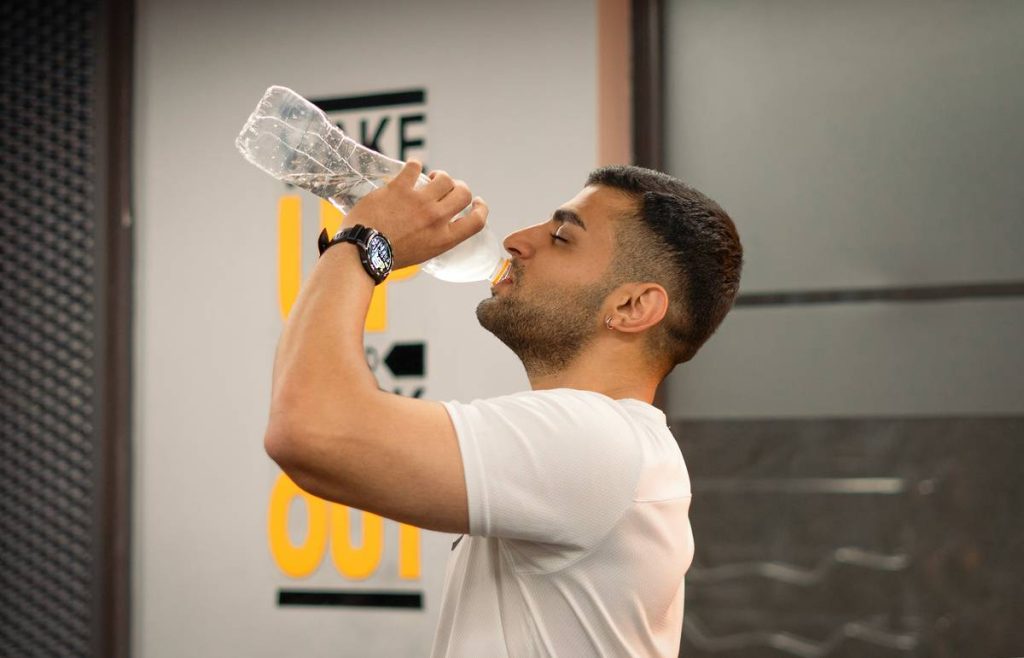
Dehydration thickens synovial fluid, increasing joint friction. Add a pinch of salt + lemon to water, or use sugar-free electrolyte tabs. - Cold Exposure (The Gentle Way)
No need for Arctic plunges. A 2-minute cold shower post-workout reduces DOMS (delayed onset muscle soreness) by 30% (European Journal of Applied Physiology).
The Terrible Tip You’ll See Everywhere (Don’t Do This)
“Just push through the pain!” Nope. Sharp pain, joint swelling, or lingering stiffness beyond 72 hours = your body screaming stop. Ignoring it leads to chronic issues. Trust me—I’ve been there. My knee still clicks when it rains.
Real Results: How Mark Rebuilt Strength by Prioritizing Recovery
Mark, 47, software engineer and dad of twins, came to me exhausted. He’d been doing daily HIIT apps for six months, gaining zero strength, losing sleep, and snapping at his kids.
We flipped his plan:
- Reduced workouts from 7 → 3 days/week
- Added 10-min nightly yoga via YouTube
- Shifted protein intake to evenly spaced meals
- Instituted “no screens after 10 p.m.” for better sleep
Result after 12 weeks:
- ↓ Resting heart rate by 8 BPM
- ↑ Push-up capacity from 12 → 28
- Zero joint pain
- Wife reported “less grumpy husband energy” 🙌
The magic wasn’t harder training—it was strategic recovery.
FAQs: Recovery Over Fitness at Home Workout
Can I still build muscle over 40 with light home workouts?
Absolutely. Muscle hypertrophy depends more on progressive tension and recovery than load. Bodyweight squats with perfect form + proper protein + sleep = gains. (Study: Journal of the International Society of Sports Nutrition, 2023)
How do I know if I’m overtraining?
Signs include insomnia, irritability, plateaued performance, elevated resting heart rate, and loss of libido. If two or more apply, take 3–5 full rest days immediately.
Is foam rolling worth it?
Yes—for fascia hydration, not “knot busting.” Roll gently 2–3x/week post-workout. Avoid aggressive mashing; it can cause microtrauma.
What’s the #1 recovery mistake men over 40 make?
Skipping sleep to “get the workout in.” Sacrificing rest for exercise backfires—recovery happens during sleep, not during reps.
Conclusion
If you take one thing from this: at 40+, your fitness is built in the quiet moments between workouts—not during them. Recovery over fitness at home workout isn’t about going soft. It’s about training smarter, respecting your biology, and building a body that lasts decades—not just until next Tuesday.
Start small: add one extra rest day this week. Drink an electrolyte-infused glass of water tonight. Go to bed 20 minutes earlier. Your future self—the one hiking with grandkids or deadlifting at 60—will thank you.
Like a Tamagotchi, your joints need daily care… or they’ll beep angrily and die.