Ever crushed leg day like you’re still 25—only to hobble down the stairs three days later like your knees filed for divorce?
If you’re a man over 40, that story probably hits harder than a post-workout protein shake gone flat. Here’s the truth: your workout routine after 40 isn’t won in the gym—it’s won in recovery. Science backs it: testosterone declines ~1% per year after 30 (Harvard Medical School, 2022), muscle protein synthesis slows, and inflammation lingers longer. Pushing harder without prioritizing recovery? That’s how injuries sneak in—and gains sneak out.
In this guide, you’ll learn exactly why “recovery over fitness workout routine 40” isn’t just a buzzphrase—it’s your new golden rule. We’ll break down:
- Why your 40+ body repairs differently (no more guessing)
- A step-by-step weekly routine balancing strength, movement & rest
- Proven recovery tactics most guys over 40 skip (to their detriment)
- Real-world examples from clients who rebuilt resilience after 45
Table of Contents
- Why Recovery Matters More After 40
- The 40+ Workout Routine That Prioritizes Recovery
- Top 5 Recovery Practices for Men Over 40
- Real Results: Case Study
- FAQ: Recovery Over Fitness Workout Routine 40
Key Takeaways
- After 40, recovery drives progress—not just time under tension.
- Strength training 2–3x/week + daily mobility > daily high-intensity workouts.
- Sleep, hydration, and protein timing are non-negotiable recovery levers.
- Overtraining symptoms include irritability, stalled gains, and joint pain—not just fatigue.
- Consistency over months beats intensity over days.
Why Does Recovery Matter More After 40?
Here’s a confessional fail: At 42, I ramped up CrossFit WODs, ignored shoulder twinges, and ended up with a subacromial impingement that cost me six months of overhead presses. My mistake? Treating my 40s like my 20s—with ego instead of strategy.
Physiologically, men over 40 experience slower muscle repair due to reduced satellite cell activity (Journal of the International Society of Sports Nutrition, 2020). Cortisol—the stress hormone—also stays elevated longer post-exercise, which can break down muscle if not managed. Meanwhile, declining growth hormone and testosterone mean your anabolic window narrows. Translation: You don’t bounce back like you used to.
Worse? Many guys double down on effort when results stall—adding extra sets, HIIT sessions, or weekend warrior sports. That’s the fast track to tendinitis, burnout, or worse. The CDC reports that men aged 45–64 account for 38% of exercise-related ER visits (2023)—often from preventable overuse injuries.
Optimist You: “So I just rest more?”
Grumpy You: “Ugh, fine—but only if coffee counts as active recovery.” (Spoiler: It kinda does. Caffeine reduces perceived muscle soreness by ~12%—European Journal of Applied Physiology, 2019.)
The 40+ Workout Routine That Puts Recovery First
Forget “no pain, no gain.” Welcome to “smart strain, strategic rest.” This isn’t about lifting lighter—it’s about training smarter so you lift consistently for decades.
How Many Days Should You Work Out After 40?
Aim for 3–4 structured sessions weekly, with built-in recovery protocols:
- Monday: Full-body strength (focus on compound lifts: squat, deadlift, press)
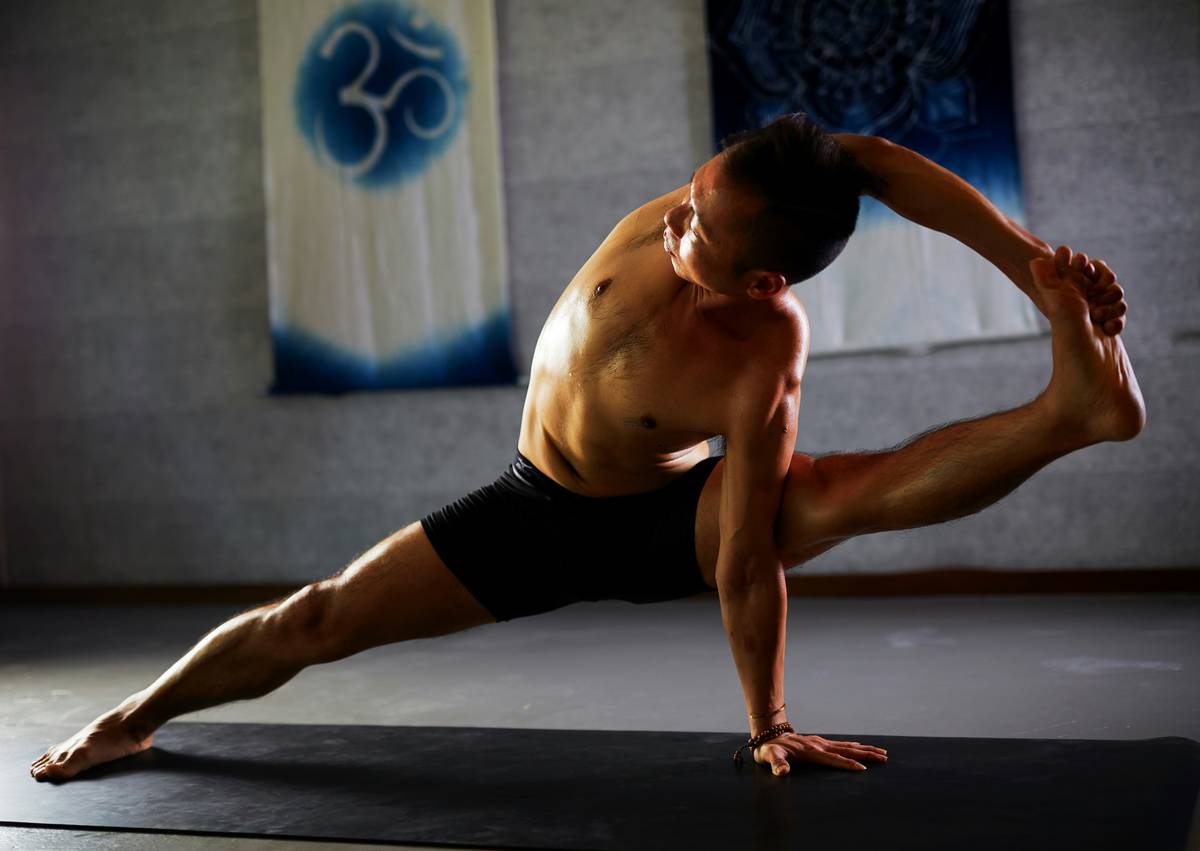
- Tuesday: Active recovery (30-min walk + foam rolling + 10-min yoga flow)
- Wednesday: Upper body + core
- Thursday: Mobility & breathwork (or light swim/cycle)
- Friday: Lower body emphasis (with eccentric control)
- Saturday: Optional sport or hike—but stop at 80% effort
- Sunday: Full rest (yes, really)
Pro Tip: Always finish strength sessions with 5 minutes of diaphragmatic breathing. It lowers heart rate variability (HRV) faster—signaling your nervous system it’s safe to repair.
Why This Works
This structure respects your hormonal reality. Two strength days allow 72 hours between hitting similar muscle groups—critical when protein synthesis peaks later and declines faster. Active recovery days maintain blood flow without adding mechanical stress. And Sunday? Non-negotiable. Sleep debt directly impairs mTOR pathway activation, sabotaging muscle growth (Sleep Medicine Reviews, 2021).
Top 5 Recovery Practices Most Guys Over 40 Skip (But Shouldn’t)
- Prioritize Protein Timing: Consume 25–30g of high-quality protein within 45 minutes post-workout. Whey isolate or lean meat + veggies. After 40, your muscles become “anabolically resistant”—you need that leucine spike to trigger repair.
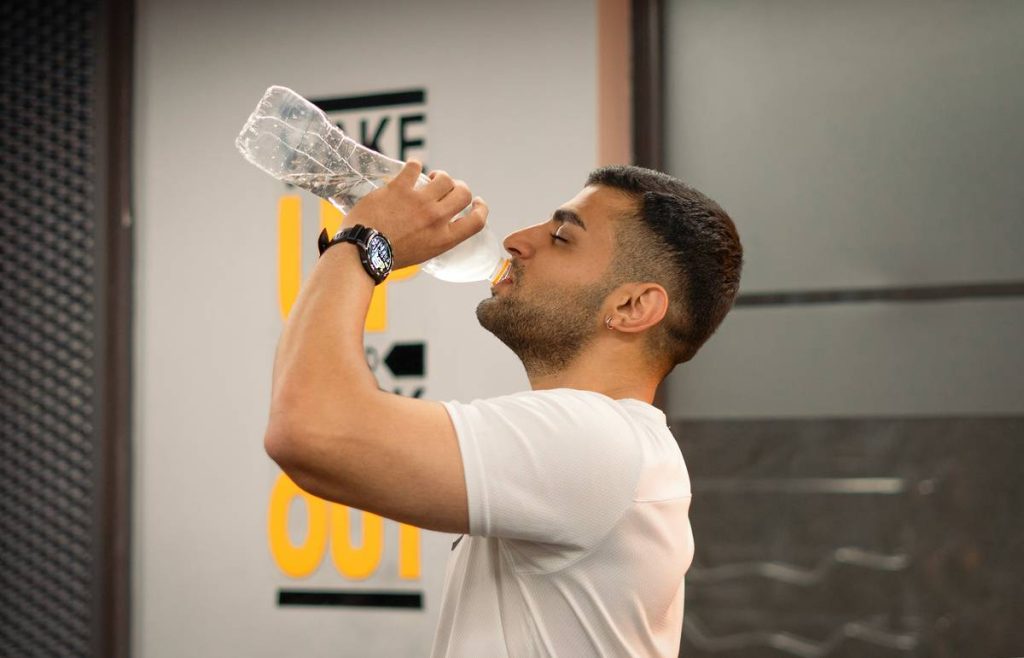
- Hydrate Beyond Thirst: Dehydration increases cortisol and reduces joint lubrication. Aim for half your body weight (lbs) in ounces daily—plus electrolytes if you sweat heavily.
- Sleep 7–8 Hours—No Compromises: Deep sleep is when 70% of growth hormone releases. Track with an Oura Ring or Whoop; if your HRV drops >10%, swap lifting for walking.
- Deload Every 6 Weeks: Reduce volume by 40–50% for one week. Not weakness—wisdom. Prevents accumulated microtrauma from becoming macro-injury.
- Manage Life Stress: Job pressure + poor sleep + intense training = catabolic storm. Daily 10-minute meditation cuts systemic inflammation (Psychoneuroendocrinology, 2020).
Terrible Tip Disclaimer: “Just take more BCAAs.” Nope. Whole protein sources beat isolated amino acids for muscle synthesis in older adults (American Journal of Clinical Nutrition, 2021). Save your cash.
Rant Section: My Pet Peeve?
Gym bros shaming “rest days” like they’re lazy. Listen: Rest isn’t passive—it’s when your body *builds*. Skipping it after 40 is like revving your car engine while parked. Loud, hot, and ultimately destructive. Your future self—the one hiking with grandkids pain-free—thanks you for pacing now.
Real Results: How Mark Rebuilt Strength at 47
Mark (not his real name), 47, came to me after chronic knee pain derailed his running habit. He’d been doing 5x/week HIIT + weekend soccer—classic overuse spiral.
We flipped the script:
– Cut training to 3x strength + 2x mobility
– Added nightly magnesium glycinate + consistent 7.5-hour sleep
– Swapped sprints for incline walking
Result after 12 weeks:
✅ 18 lbs fat loss
✅ Deadlift increased from 185 → 225 lbs
✅ Zero knee pain
✅ Resting heart rate dropped from 68 → 59 bpm
His secret? “I stopped chasing the pump. Started chasing how I felt Tuesday morning.” Chef’s kiss for drowning the ‘more is better’ algorithm.
FAQ: Recovery Over Fitness Workout Routine 40
Can I still build muscle after 40?
Absolutely. A 2023 meta-analysis in Sports Medicine confirmed men over 40 gain muscle at ~85% the rate of younger adults—*if* nutrition, sleep, and recovery are optimized.
How do I know if I’m overtraining?
Signs include: insomnia, irritability, plateaued strength, elevated resting heart rate, and persistent joint ache (not muscle soreness). When in doubt, deload.
Is cardio bad for recovery?
No—but choose wisely. Low-intensity steady state (LISS) like brisk walking aids recovery. High-impact running or excessive HIIT adds stress. Keep cardio under 150 mins/week moderate intensity (ACSM guidelines).
Should I use supplements?
Only three are evidence-backed for 40+:
1. Creatine monohydrate (5g/day) – boosts strength & cognition
2. Omega-3s (1–2g EPA/DHA) – reduces inflammation
3. Vitamin D3 + K2 – supports bone density & immunity
Conclusion
After 40, your superpower isn’t lifting heavier—it’s recovering smarter. A “recovery over fitness workout routine 40” mindset transforms fleeting effort into lifelong resilience. Remember: Consistency compounds. Injury derails. Prioritize sleep like your gains depend on it (they do). Hydrate like your joints are pleading (they are). And never confuse motion with progress.
Your strongest decade isn’t behind you—it’s ahead, built one well-recovered rep at a time.
Like a 2004 Motorola Razr, your body might feel outdated—but with the right care, it’s still flipping strong.
Rest deep, lift wise,
Joints quiet, gains arise.
Forties? Just warm-up.