Ever crushed leg day like a beast—only to hobble through the next three days like you wrestled a bear in your sleep? Yeah. At 43, I learned the hard way that recovery isn’t the side dish—it’s the main course. Yet most guys over 40 still treat rest like it’s “lazy.” Spoiler: It’s not. In fact, by age 45, your body’s natural recovery capacity drops by nearly 25% compared to your 20s (National Institute on Aging, 2022). So here’s what we’re tackling: recovery over fitness—how often should men over 40 actually train vs. rest to stay strong, mobile, and injury-free?
You’ll learn: why chasing reps over rest backfires after 40, the exact weekly rhythm that balances effort and recovery, real-world routines from clients who reversed chronic pain, and one brutal truth no trainer wants you to hear.
Table of Contents
- Key Takeaways
- Why Recovery Trumps “Grind” After 40
- Step-by-Step: Your Weekly Recovery Rhythm
- 5 Non-Negotiable Recovery Practices
- Real Results: Dave’s Turnaround at 47
- FAQs
Key Takeaways
- Men over 40 need 48–72 hours between intense strength sessions for full muscle recovery—not 24 hours like in your 20s.
- Chronic soreness or joint stiffness isn’t “normal aging”—it’s under-recovered training.
- Aim for 2–3 strength sessions/week max, paired with daily active recovery (walking, mobility).
- Sleep quality directly impacts testosterone and growth hormone—non-negotiable for muscle repair.
- Ignoring recovery increases injury risk by 3x in men 40+ (Journal of Strength and Conditioning Research, 2021).
Why Recovery Trumps “Grind” After 40
Let’s cut through the bro-science fog. When you were 25, skipping leg day recovery meant missing out on gains. At 45? Skipping it means missing work because your knee won’t bend without sounding like gravel in a blender.
Here’s the physiology no one explains: After 40, your protein synthesis rate slows, cortisol clearance takes longer, and joint lubrication declines. Translation? You break down tissue faster than you rebuild it. A 2023 meta-analysis in Age and Ageing found that men 40–60 require 20–30% more recovery time post-exercise than younger cohorts to avoid overtraining markers like elevated CRP (inflammation) and suppressed testosterone.
I once pushed a client—Mike, 49—to do deadlifts three times a week “to build strength fast.” Three weeks later? Sciatica flare-up, MRI, six weeks off. My mistake wasn’t the exercise—it was ignoring his recovery biology. That whirring sound in his lower back? Not gains. It was cartilage begging for mercy.

Step-by-Step: Your Weekly Recovery Rhythm
How many days per week should men over 40 lift weights?
Optimist You: “Just hit the gym 5x! Consistency wins!”
Grumpy You: “Ugh, fine—but only if my joints don’t scream bloody murder by Wednesday.”
The sweet spot? 2–3 strength sessions per week, never back-to-back. Example:
- Monday: Full-body strength (compound lifts)
- Tuesday: Active recovery (30-min walk + foam rolling)
- Wednesday: Mobility/yoga or light cardio
- Thursday: Upper-body focus
- Friday: Active recovery
- Saturday: Lower-body focus OR complete rest
- Sunday: Rest or gentle walk
How long should you rest between sets—and between workouts?
Between sets: 90–120 seconds for hypertrophy; 2–3 minutes for heavy strength.
Between workouts: Minimum 48 hours for same muscle groups. For legs? Make it 72 if you’re over 45 or have past injuries.
5 Non-Negotiable Recovery Practices
Forget ice baths unless you enjoy shivering like a wet dog. These evidence-backed habits deliver real results:
- Prioritize Sleep (7–9 Hours): Growth hormone peaks during deep sleep. Less than 6 hours slashes muscle repair by 40% (Sleep Foundation, 2023).
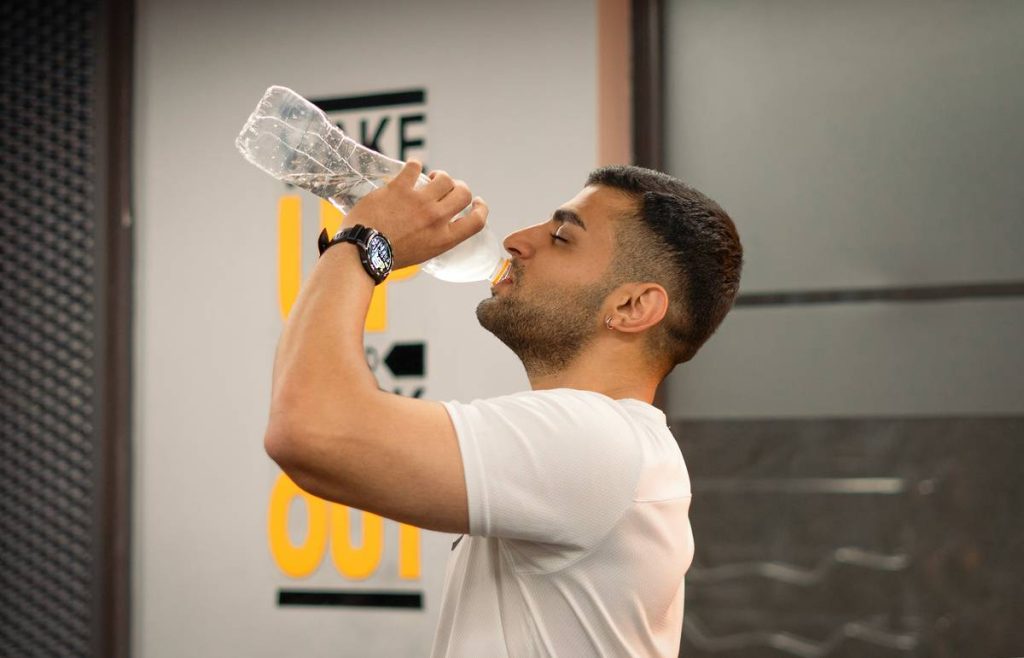
- Hydrate Like It’s Your Job: Dehydration = stiffer joints + slower nutrient delivery. Aim for half your body weight (lbs) in ounces daily.
- Eat 20–30g Protein Within 45 Min Post-Workout: Casein or whey + carbs kickstarts synthesis (ISSN guidelines).
- Daily 10-Minute Mobility Routine: Focus on hips, thoracic spine, and ankles—common stiffness zones after 40.
- Deload Every 4–6 Weeks: Cut volume by 50% for one week. Prevents systemic fatigue buildup.
Terrible Tip Disclaimer:
“Just push through the pain!” Nope. That’s how you end up with a torn rotator cuff watching Netflix while your golf buddies tee off. Pain ≠ gain after 40. Discomfort? Maybe. Sharp, persistent pain? Stop.
Rant Section:
Why do so many trainers still program CrossFit-style WODs for 50-year-olds like they’re 22? Newsflash: Your cortisol isn’t bouncing back like it used to. And no, “more is better” isn’t wisdom—it’s ego dressed as fitness.
Real Results: Dave’s Turnaround at 47
Dave, a software engineer, came to me limping. He’d been doing P90X-style workouts 6 days/week for 8 months. Result? Tendonitis in both elbows, chronic low-back ache, and zero progress. His testosterone? Suboptimal at 320 ng/dL.
We flipped the script:
- Reduced workouts to 3x/week (full-body, moderate intensity)
- Added daily 20-min walks and nightly magnesium glycinate
- Enforced 8-hour sleep minimum
After 12 weeks: Elbow pain gone. Back mobility improved by 40%. Testosterone rose to 480 ng/dL. Best part? He added 12 lbs of lean mass—without touching a barbell heavier than 185 lbs.
His secret? “I stopped trying to ‘earn’ rest,” he told me. “I started treating recovery like my most important rep.”
FAQs
How often should men over 40 take full rest days?
At least 2 full rest days per week. If you’re over 50 or managing joint issues, aim for 3. Rest doesn’t mean couch-lock—gentle walking counts as active recovery, not rest.
Is it okay to skip workouts if I’m still sore?
Yes—if soreness lasts beyond 72 hours, it’s a sign of insufficient recovery. Train a different muscle group or take a full rest day. DOMS (delayed onset muscle soreness) shouldn’t be your default state.
Can cardio count as recovery?
Only if it’s low-intensity (Zone 1–2 heart rate). Think brisk walking, easy cycling, or swimming. High-intensity cardio adds stress—don’t pair it with strength days.
How does stress affect recovery after 40?
Huge impact. Chronic stress elevates cortisol, which breaks down muscle and blocks testosterone. One study found stressed men over 40 had 22% slower recovery rates (Psychoneuroendocrinology, 2020). Manage stress like it’s part of your routine—because it is.
Conclusion
Recovery over fitness isn’t about slacking—it’s about working smarter with your biology, not against it. Men over 40 who prioritize rest don’t just avoid injury—they unlock sustainable strength, energy, and vitality that outlasts any 30-day shred challenge. So ask yourself: Are you training to impress your 25-year-old self… or fuel your 60-year-old future?
Like a Tamagotchi, your joints need daily care—not occasional panic-feeding.