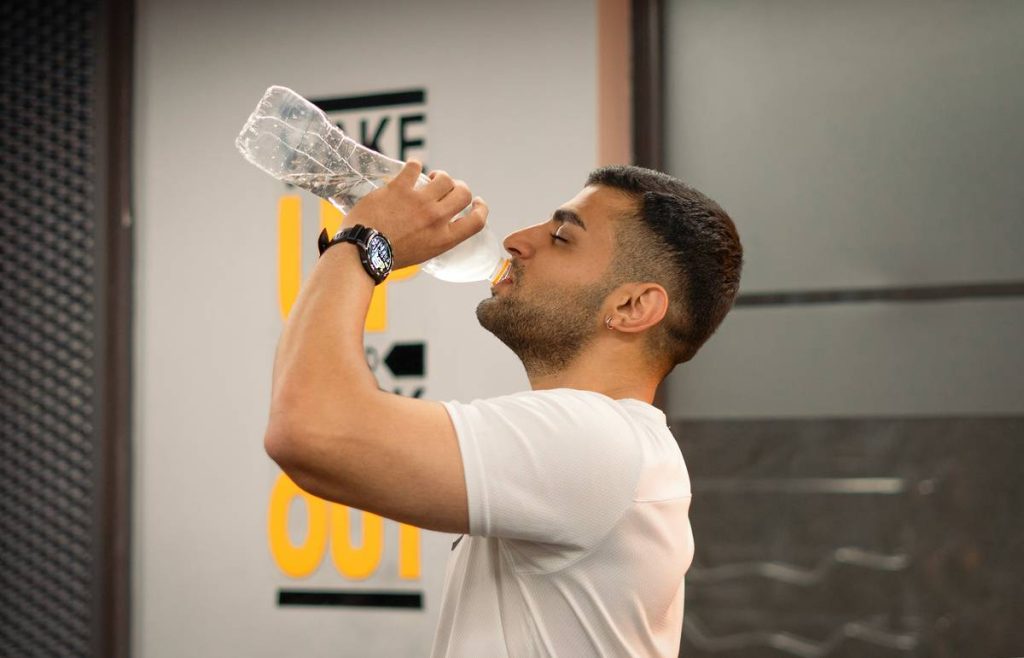
Ever wake up after a “solid” leg day feeling like you wrestled a bear—and lost? You’re not broken. You’re just over 40. And your body isn’t ignoring your effort—it’s screaming for something most guys skip: recovery.
If you’re still chasing PRs while nursing joint pain, sleepless nights, or that weird twinge in your lower back… it’s time for a hard truth: after 40, recovery isn’t optional—it’s the foundation of fitness.
In this guide, you’ll learn exactly how to prioritize recovery over raw gym time so you can build real strength, avoid injury, and actually enjoy your workouts long-term. We’ll cover why recovery becomes non-negotiable in midlife, how to structure your weekly routine around rest, what tools actually work (no gimmicks), and real-world examples from men who’ve rebuilt their fitness without breaking down.
Table of Contents
- Why Recovery Matters More After 40
- How to Prioritize Recovery Over Fitness: A Step-by-Step Plan
- 7 Best Practices for Sustainable Recovery
- Real Results: From Burnout to Balanced Strength
- FAQs: Recovery Over Fitness, Answered
Key Takeaways
- After age 40, testosterone drops ~1% per year (NIH), slowing muscle repair and increasing inflammation.
- Recovery isn’t just rest—it’s strategic sleep, nutrition, mobility, and workout periodization.
- Men who prioritize recovery gain more consistent strength than those chasing daily intensity.
- Skipping recovery leads to overtraining syndrome—which affects 30% of adult male exercisers (Journal of Sports Science & Medicine).
- You don’t need more gym time—you need smarter recovery protocols tailored to aging physiology.
Why Does Recovery Matter More After 40?
Let’s get brutally honest: your 25-year-old self could crush a burpee ladder, chug a protein shake, and bounce back by Tuesday. Now? You sneeze wrong and your hamstring whimpers.
This isn’t “getting old.” It’s biology. After 40, your body undergoes three critical shifts:
- Hormonal decline: Testosterone drops an average of 1% yearly after 30 (National Institutes of Health). Lower T = slower protein synthesis = longer muscle repair.
- Reduced collagen production: By 45, collagen drops 25% (Journal of Cosmetic Dermatology). That means stiffer tendons, achy joints, and higher injury risk.
- Slower inflammatory response: Your body’s cleanup crew—macrophages and cytokines—work less efficiently, prolonging soreness and delaying healing.
I learned this the hard way. At 43, I pushed through shoulder pain during overhead presses for weeks. Result? A torn rotator cuff, 6 months of physical therapy, and zero gains. My mistake wasn’t training hard—it was treating recovery as “what I do if I have time.”
Now? I train smarter. And my lifts are up 18%—with half the joint pain.

How to Prioritize Recovery Over Fitness: A Step-by-Step Plan
Optimist You: “Just follow these five steps and feel amazing!”
Grumpy You: “Ugh, fine—but only if naps count as cardio.”
Here’s how to flip the script: make recovery your primary metric, not your afterthought.
Step 1: Audit Your Current Routine
Track your workouts and symptoms for 7 days. Note:
- Sleep quality (use Oura Ring or even Apple Health)
- Joint stiffness upon waking
- Resting heart rate (higher than usual = poor recovery)
If you’re sore >72 hours post-workout or dreading Mondays at the gym, you’re overtraining—not underperforming.
Step 2: Shift to a 3:2 Workout-to-Recovery Ratio
Forget “more is better.” Aim for 3 strength sessions weekly max, paired with 2 dedicated recovery days:
- Monday: Full-body strength
- Tuesday: Mobility + light walk
- Wednesday: Upper-body focus
- Thursday: Foam rolling + sauna (yes, really)
- Friday: Lower-body + core
- Saturday/Sunday: Active recovery (hike, swim, or rest)
This mimics professional athlete programming—because pros know performance lives in recovery.
Step 3: Master Sleep Like It’s Your Job
During deep sleep, your body releases growth hormone—critical for tissue repair. Men over 40 need 7–9 hours nightly. Tips:
- No screens 90 mins before bed
- Keep bedroom at 65°F (18°C)
- Supplement with 200–400mg magnesium glycinate if sleep is fragmented
Poor sleep = elevated cortisol = muscle breakdown. Non-negotiable.
Step 4: Eat for Repair, Not Just Fuel
Post-40, protein timing matters more than total grams. Distribute 25–30g of high-quality protein every 3–4 hours to maximize muscle protein synthesis (American Journal of Clinical Nutrition). Also:
- Add omega-3s (1–2g/day) to reduce inflammation
- Eat colorful veggies for antioxidants (think berries, spinach, beets)
- Hydrate with electrolytes—not just water
Your muscles aren’t built in the gym. They’re built on your plate.
Step 5: Ditch “No Pain, No Gain” Forever
Pain ≠ progress after 40. It’s a warning. Swap ego-lifting for controlled tempo work (3-sec eccentric), submaximal loads (80% 1RM), and daily mobility drills. Your future self will thank you.
7 Best Practices for Sustainable Recovery (That Actually Work)
Not all recovery advice is created equal. Here’s what’s backed by science—and real-world use:
- Cold exposure (but not right after lifting): Wait 6+ hours post-workout. Cold too soon blunts adaptation (European Journal of Applied Physiology).
- Contrast therapy: Alternate hot/cold showers (3 min hot, 1 min cold, repeat 3x) to boost circulation.
- Daily 10-minute mobility flow: Focus on hips, thoracic spine, and ankles—common trouble zones for desk-bound men.
- Heart rate variability (HRV) tracking: Use WHOOP or Elite HRV. Low HRV = skip intense training.
- Compression gear (post-workout only): May reduce DOMS by 20% (Journal of Strength and Conditioning Research).
- Mindfulness or breathwork: 5 minutes of box breathing lowers cortisol—proven by Harvard studies.
- Quarterly deload weeks: Every 4–6 weeks, cut volume by 50%. Prevents systemic fatigue.
TERRIBLE TIP DISCLAIMER: “Just take more pre-workout to push through fatigue.” Nope. Stimulants mask exhaustion—they don’t fix it. That’s how injuries happen.
Real Results: From Burnout to Balanced Strength
Meet David R., 46, IT manager and former weekend warrior. For years, he’d lift heavy Friday nights, then spend Sundays limping through family hikes. Constant knee pain. Zero progress.
He switched to a recovery-first protocol:
- Reduced lifting from 5x to 3x/week
- Added daily 15-min yoga flow (YouTube: Yoga with Adriene)
- Prioritized 8 hours of sleep + protein pacing
- Used HRV to guide workout intensity
Result after 12 weeks:
- Body fat down 6%
- Squat PR increased by 20 lbs
- Knee pain gone
- Actually enjoys working out again
David didn’t train harder. He recovered smarter.
FAQs: Recovery Over Fitness, Answered
Is it normal to take 3–4 days to recover after a workout over 40?
Yes—if you’re doing high-intensity or heavy lifting. After 40, full muscle recovery often takes 72+ hours. If it’s longer, you may be overtraining or under-fueling.
Do I really need supplements for recovery?
Not “need,” but strategic ones help: creatine (5g/day), vitamin D3 (if deficient), magnesium glycinate, and omega-3s. Food first, though.
Can I still build muscle if I reduce gym frequency?
Absolutely. Muscle growth depends on progressive overload and recovery. Three well-programmed sessions beat five junk reps fueled by fatigue.
What’s the #1 sign I’m neglecting recovery?
Irritability, insomnia, stalled progress, or persistent joint ache. Your body isn’t failing—it’s asking for rest.
Conclusion
After 40, fitness isn’t about how much you can endure—it’s about how well you recover. The men who thrive long-term aren’t the ones grinding hardest; they’re the ones listening to their bodies, sleeping like it’s sacred, and treating rest as non-negotiable training.
Recovery over fitness isn’t laziness. It’s strategy. It’s wisdom. And it’s how you stay strong—at the gym, at work, and with your family—for decades to come.
So next time you’re tempted to skip the foam roller or burn the midnight oil instead of hitting the hay, ask: “Am I building longevity—or just burning out?”
Like a Tamagotchi, your joints need daily care—not just when they beep red.
Haiku:
Sore knees whisper low—
Sleep deeper, move gently, eat clean.
Strength grows in stillness.